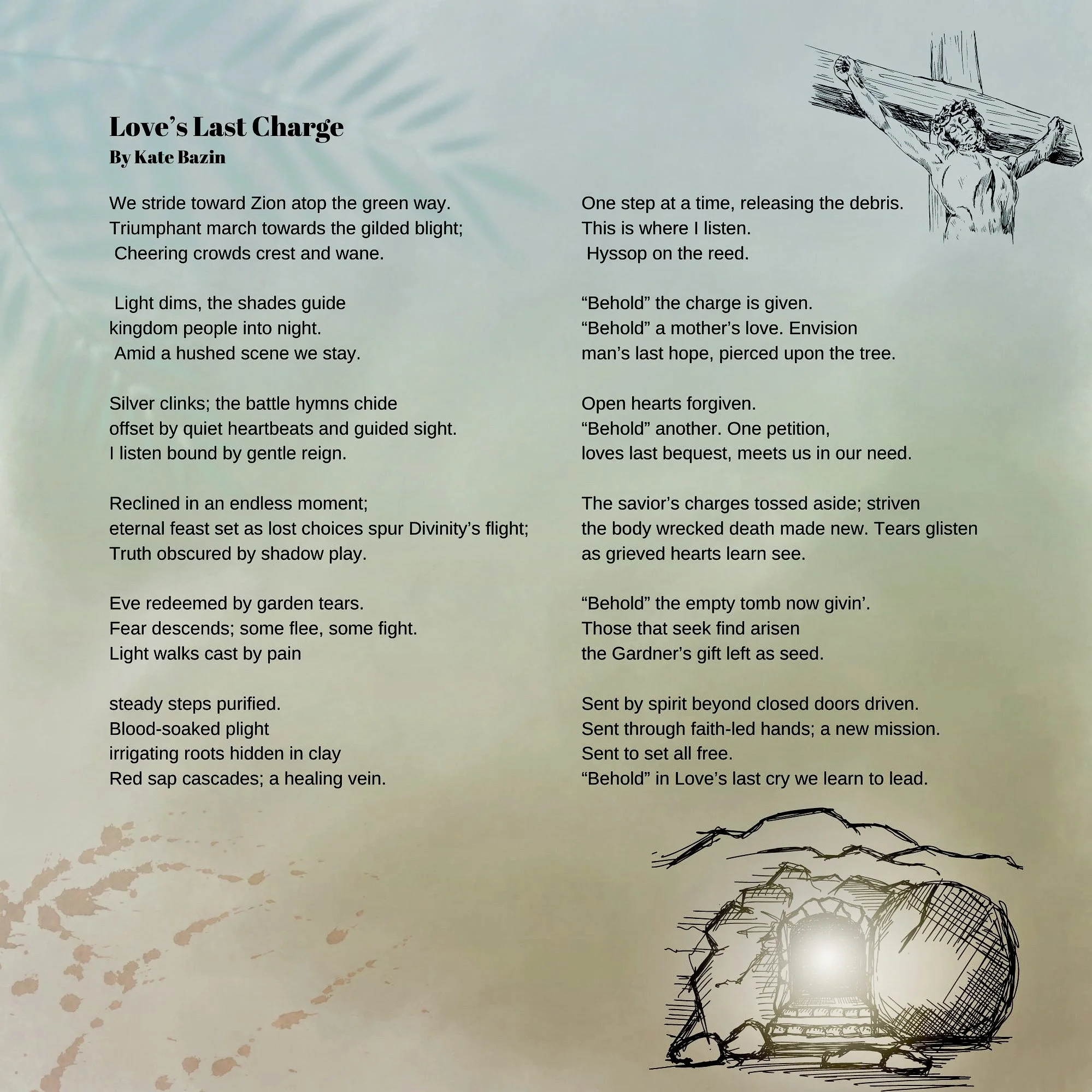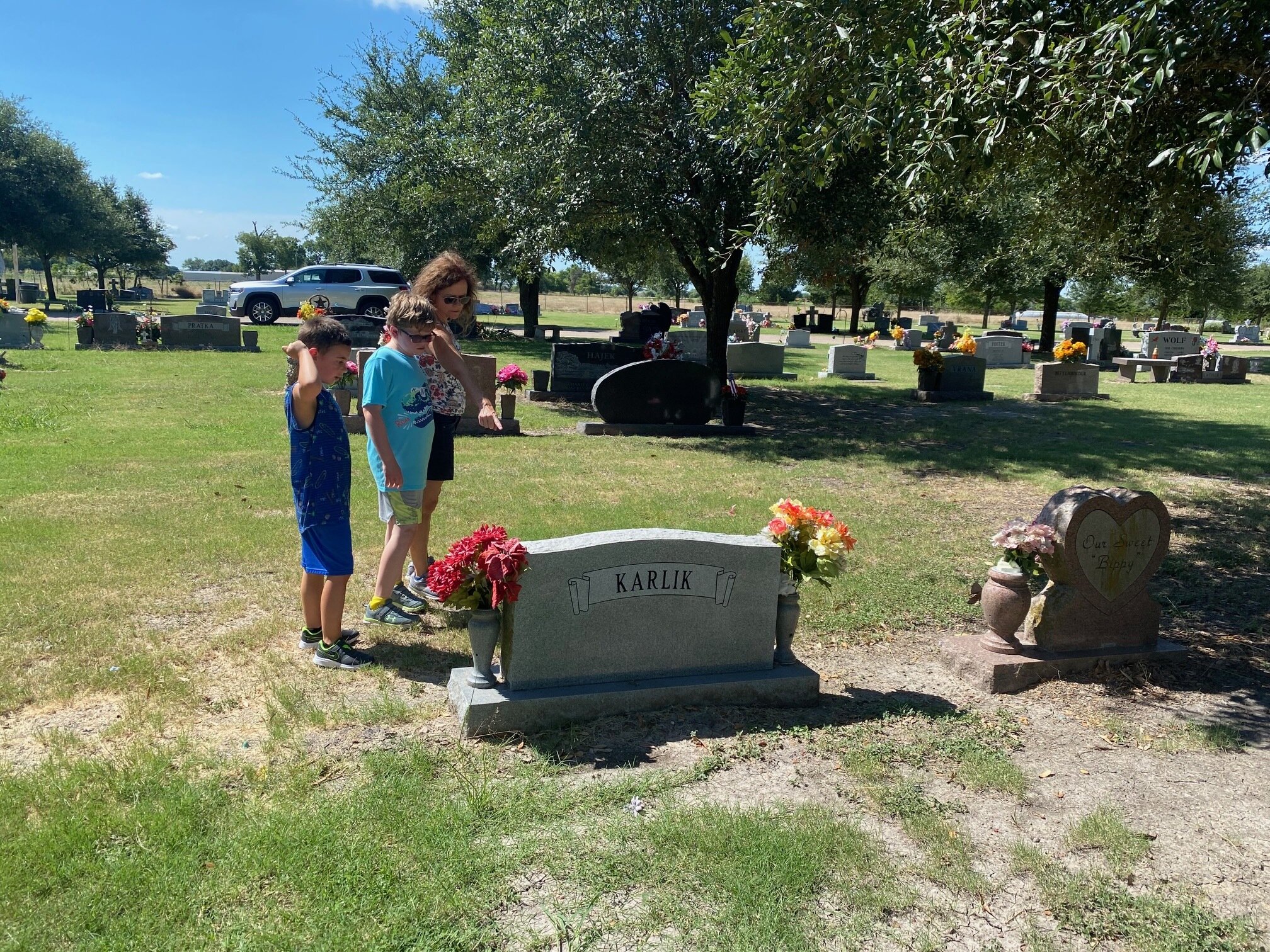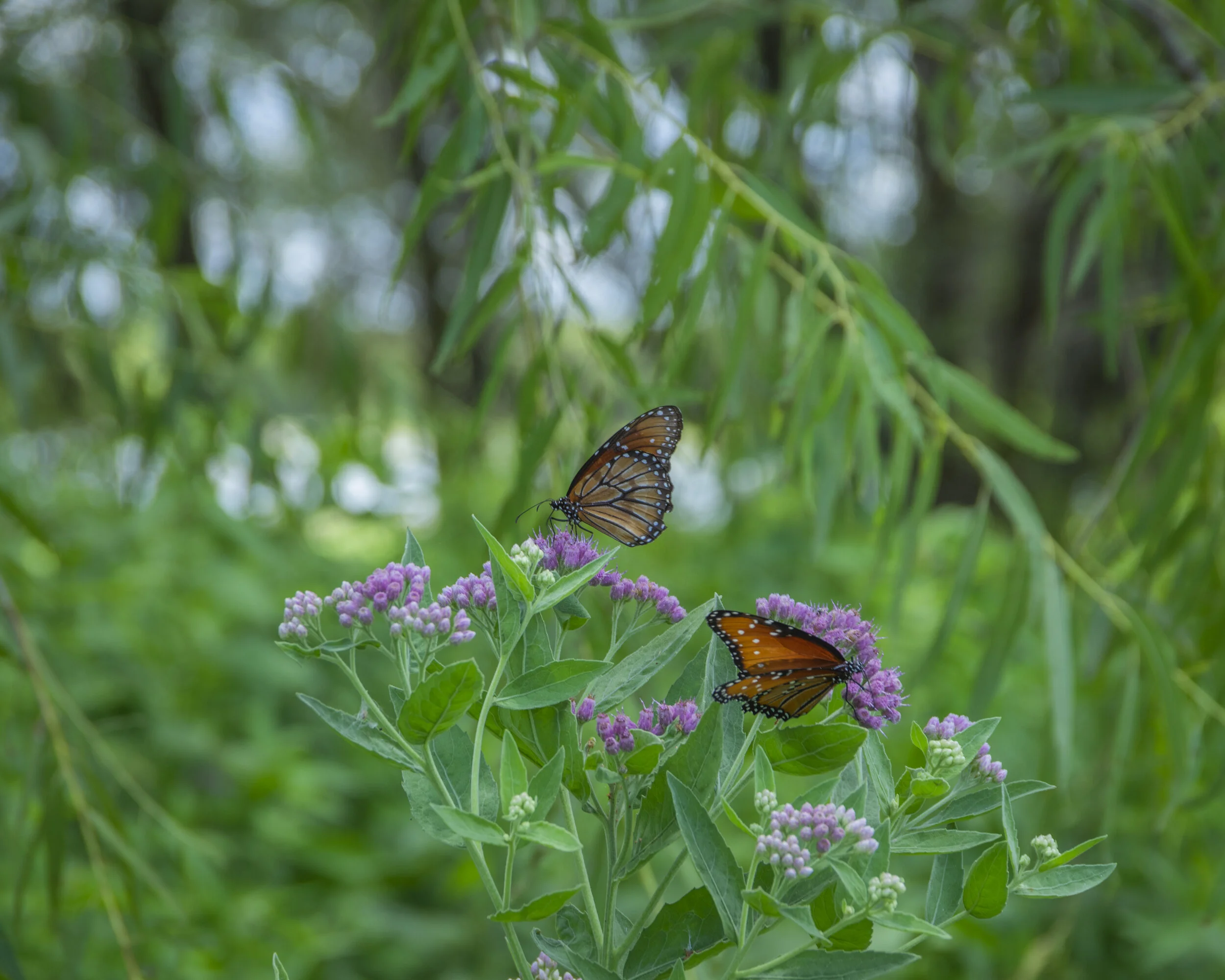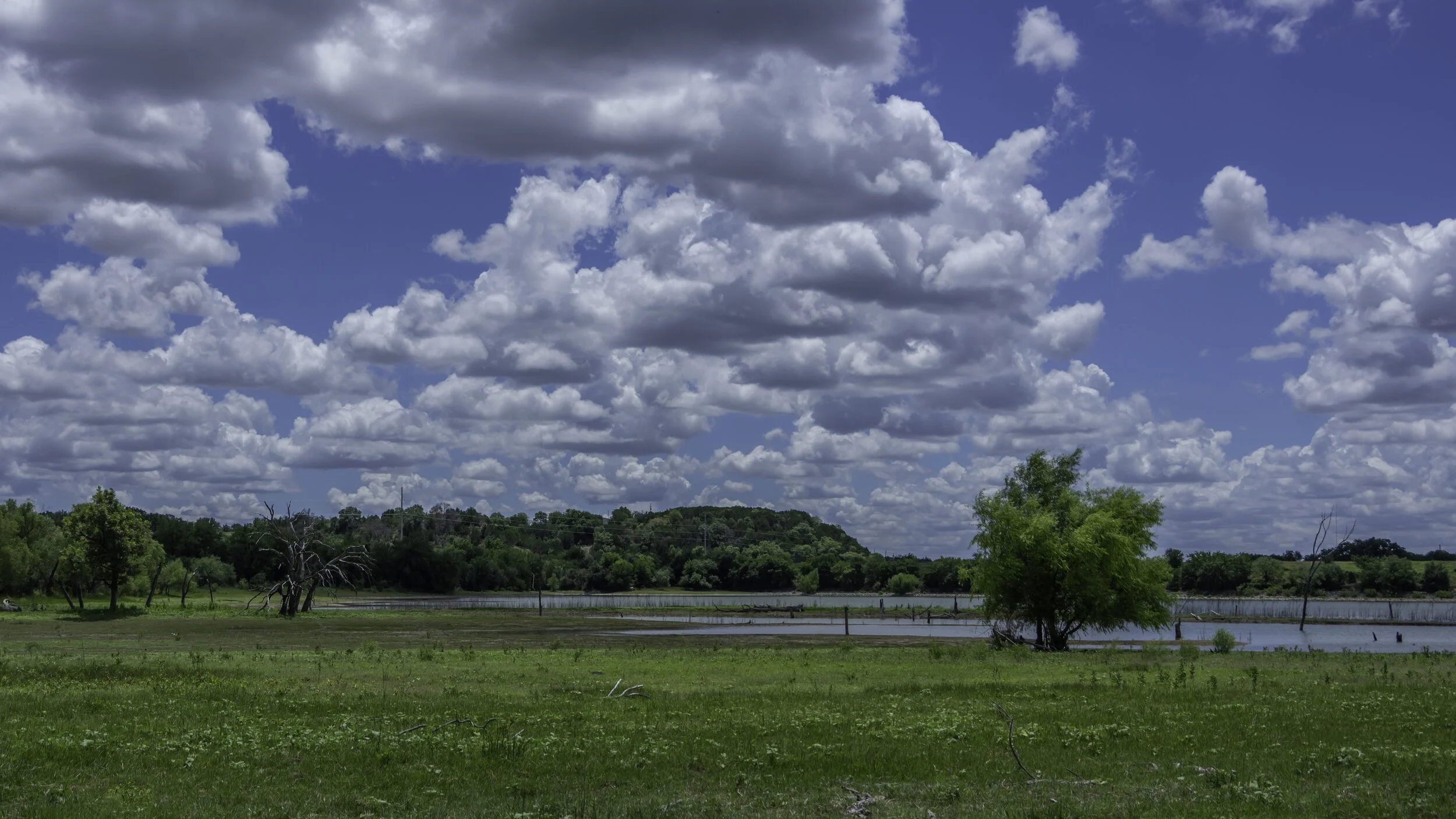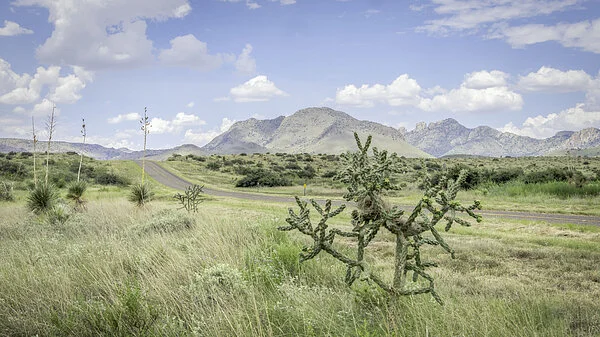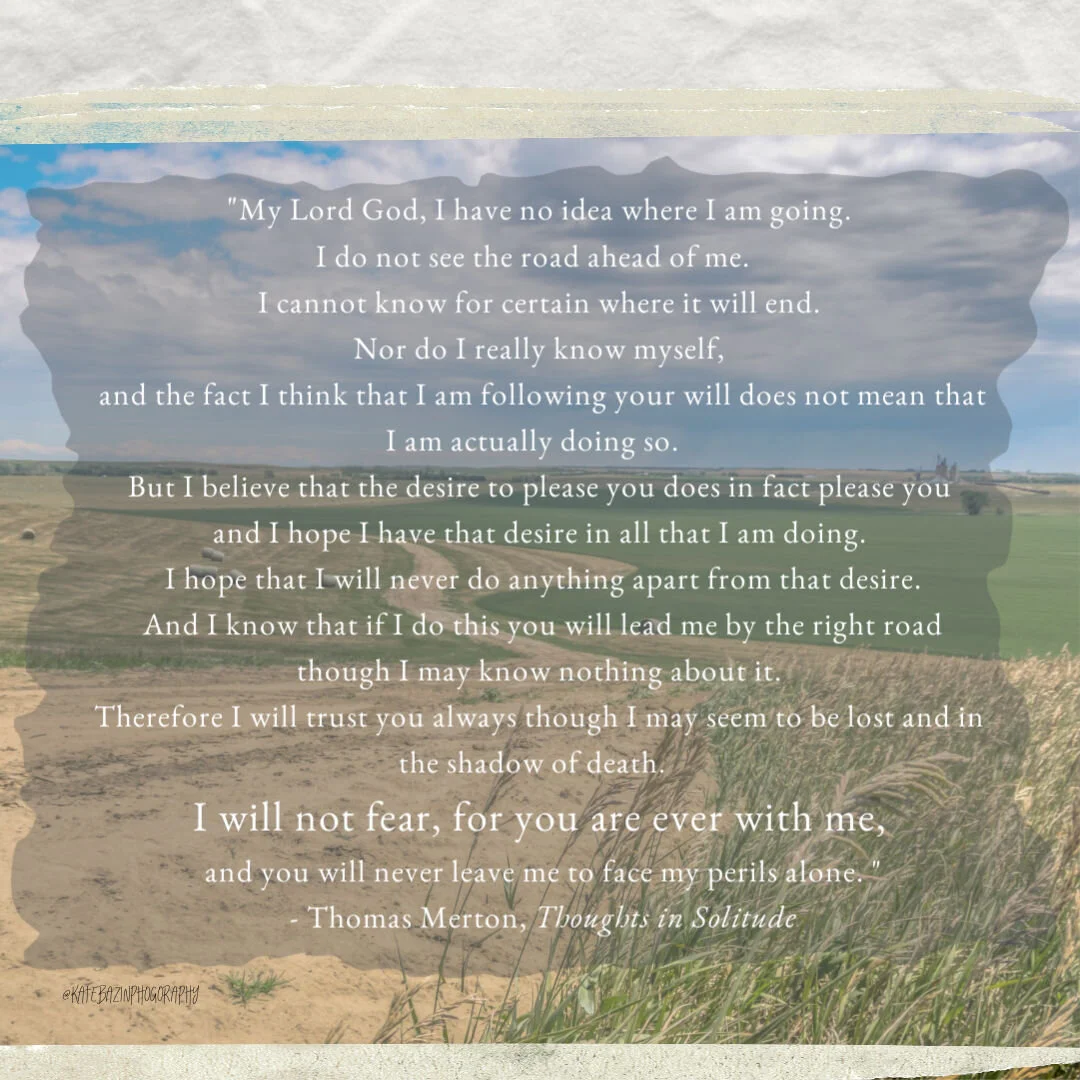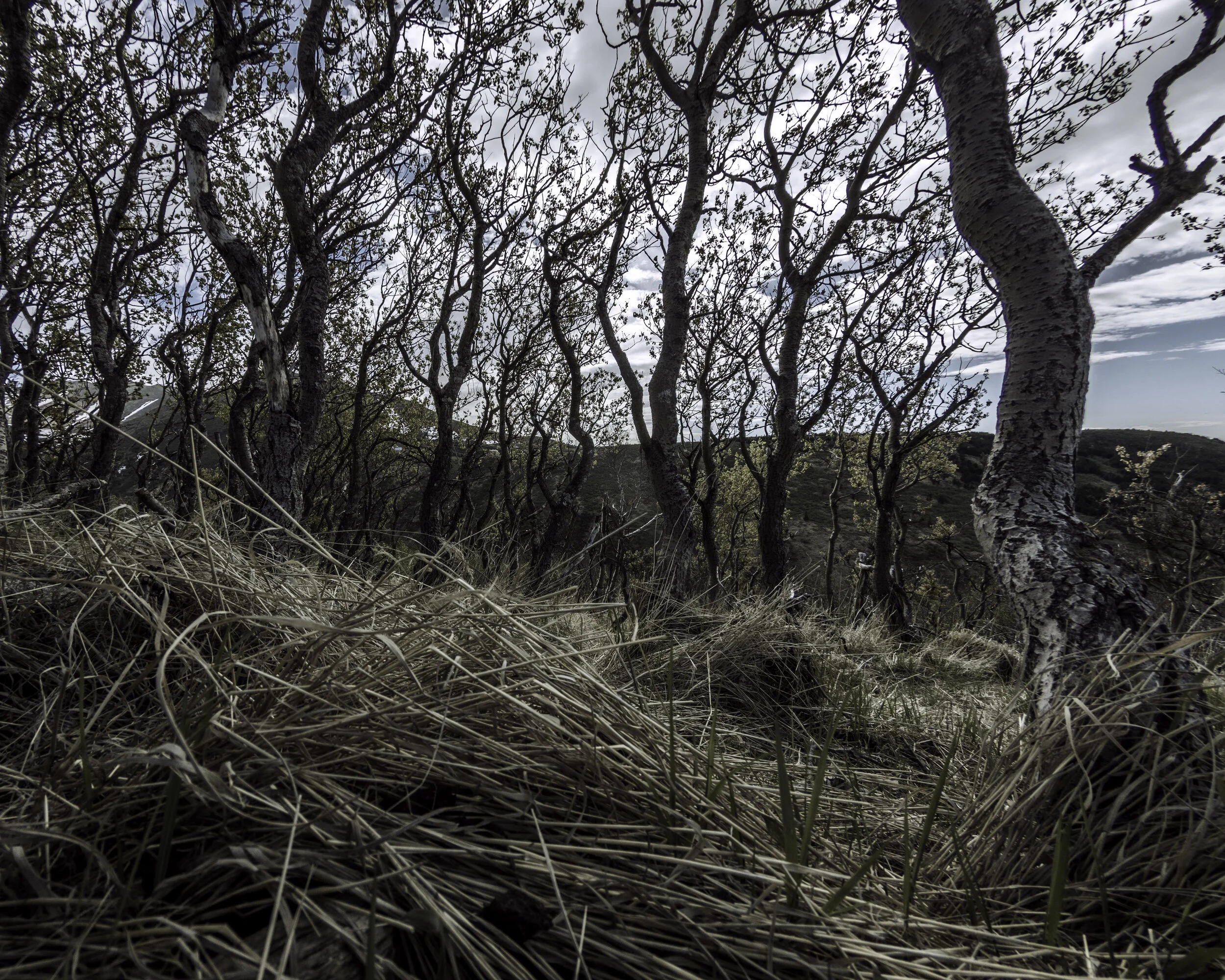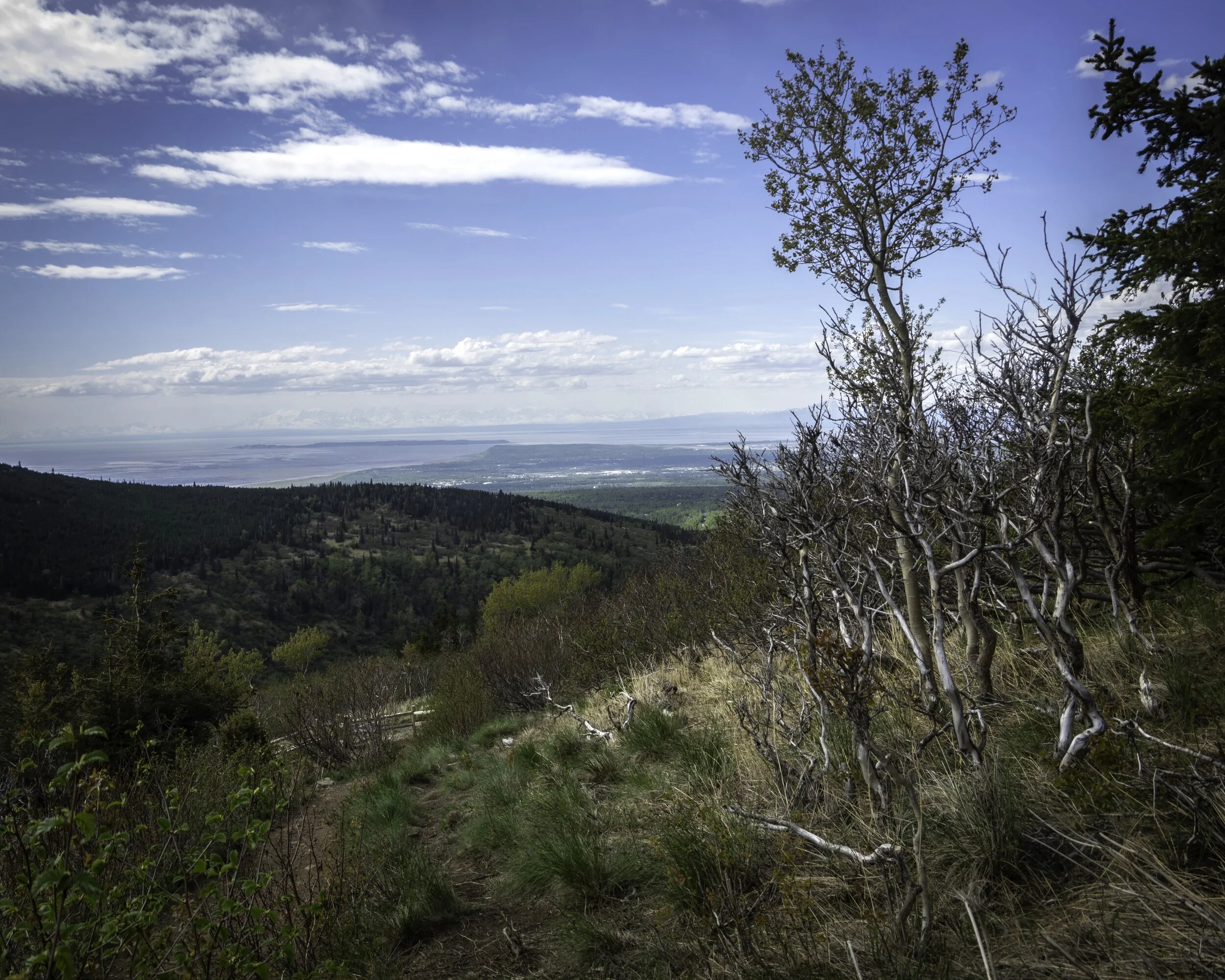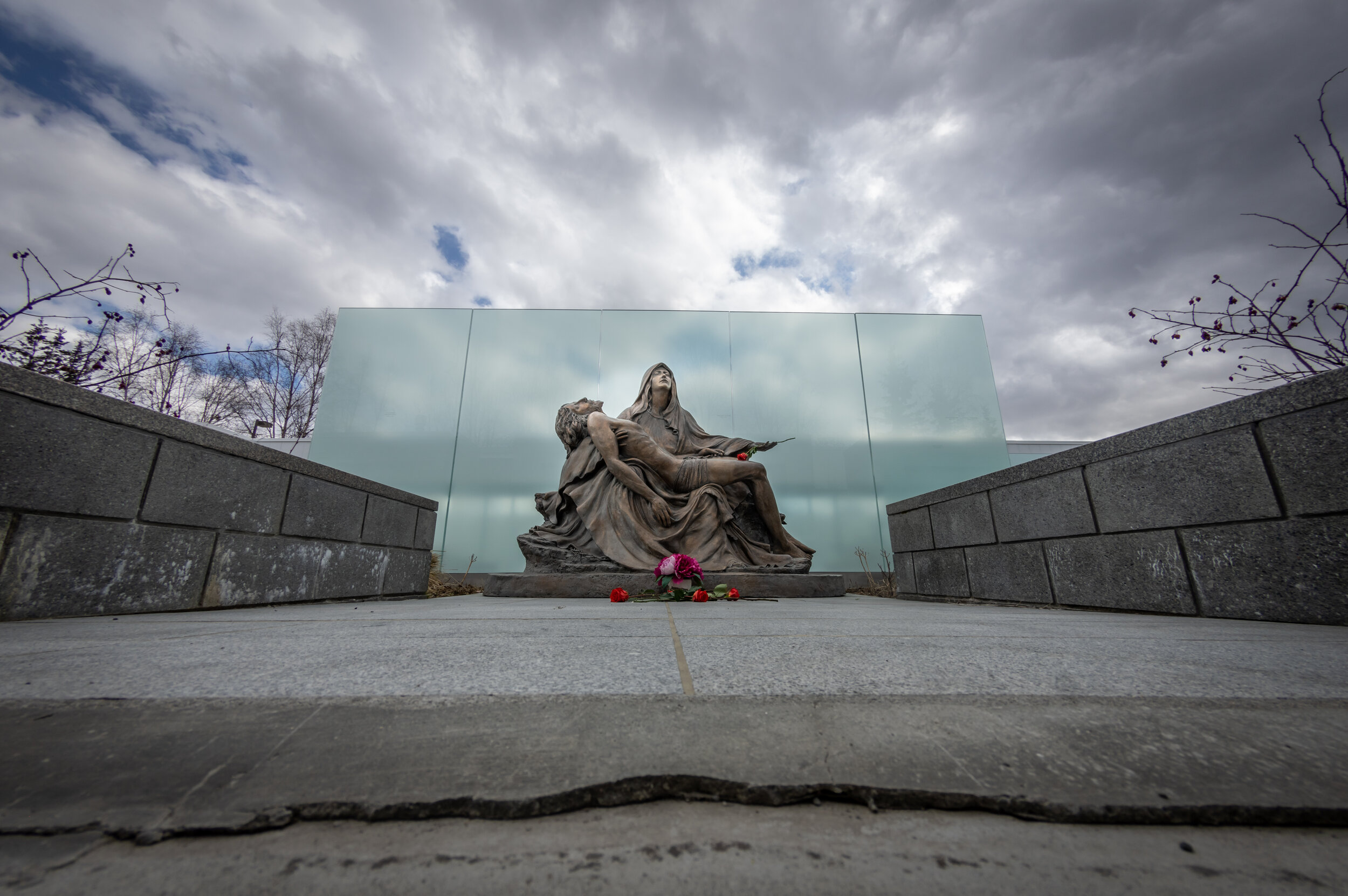
I wrote this poem after reflecting on the Palm Sunday readings a few years ago. Palm Sunday often sneaks up on me. It is a startling reminder to slow down, as Holy Week approaches. This morning, I thought of what it was like for the disciples of Christ as sent to fetch the colt. Did they wonder at this strange task? Did their courage start to fail them as they were questioned, or did their confidence in who had sent them steady their hearts? As I enter into Holy Week, I find myself reflecting again on Christ’s last charge to us all. Remembering this simple call amid a busy day of little tasks can be a challenge. Am I stopping to listen to his direction? Do I have confidence that he is with me wherever I am sent, even in the smallest of tasks? Can I see him in those he places before me today? Can I slow down enough to let him guide me so that those I encounter can experience his love through me?
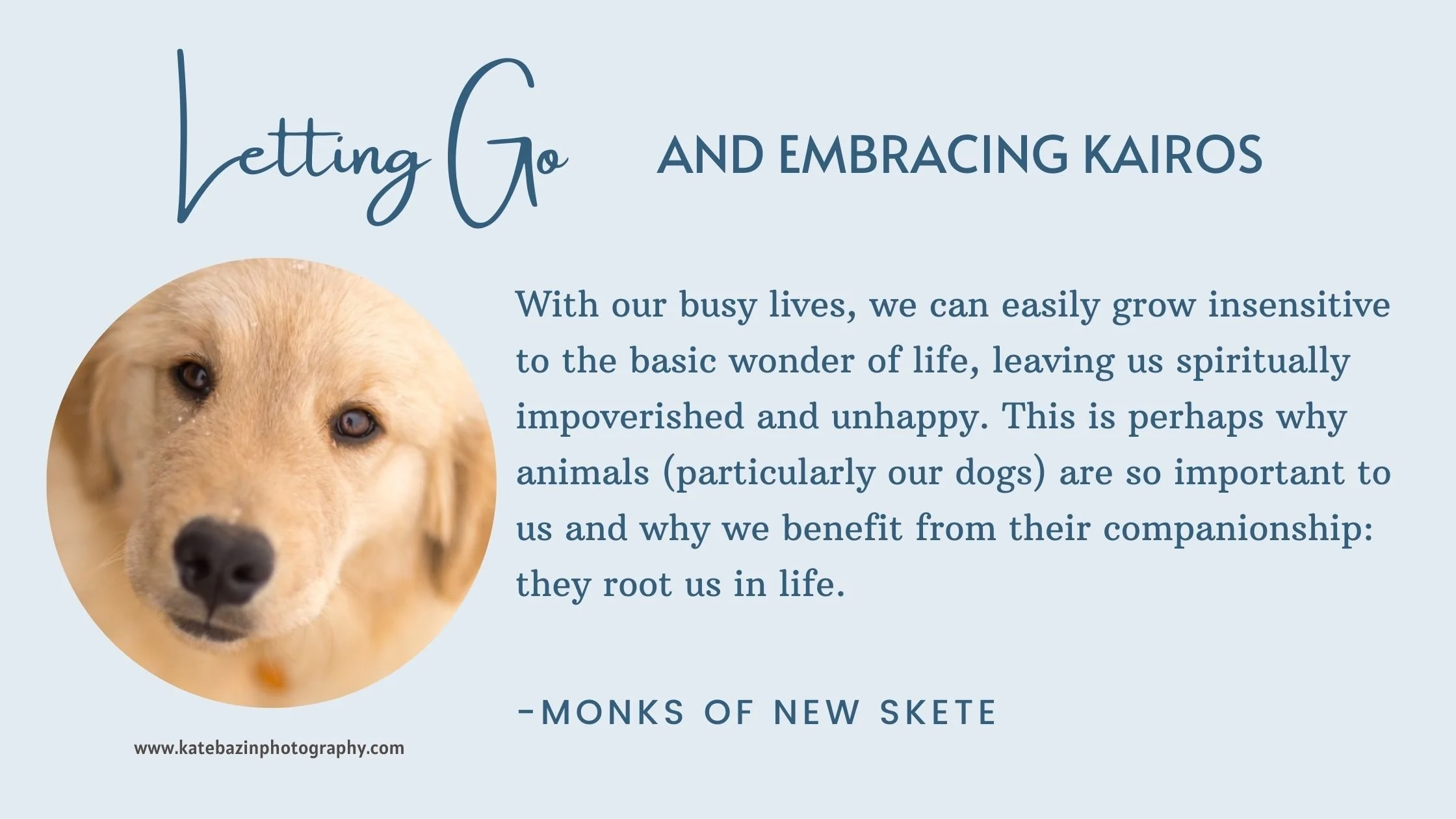
Letting Go and Embracing Kairos
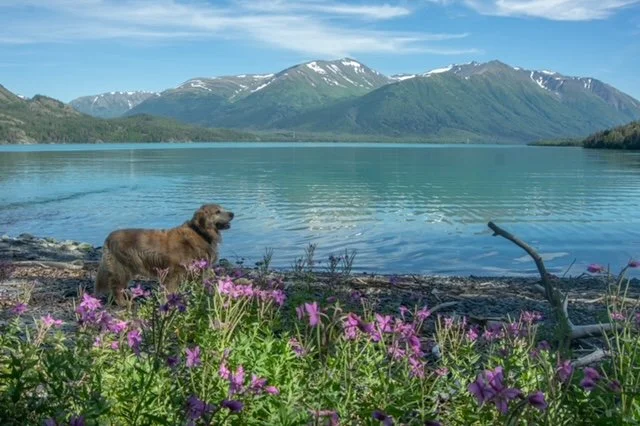
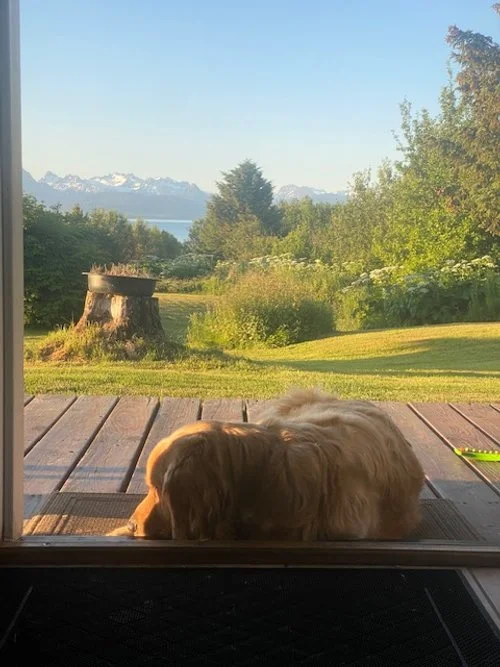
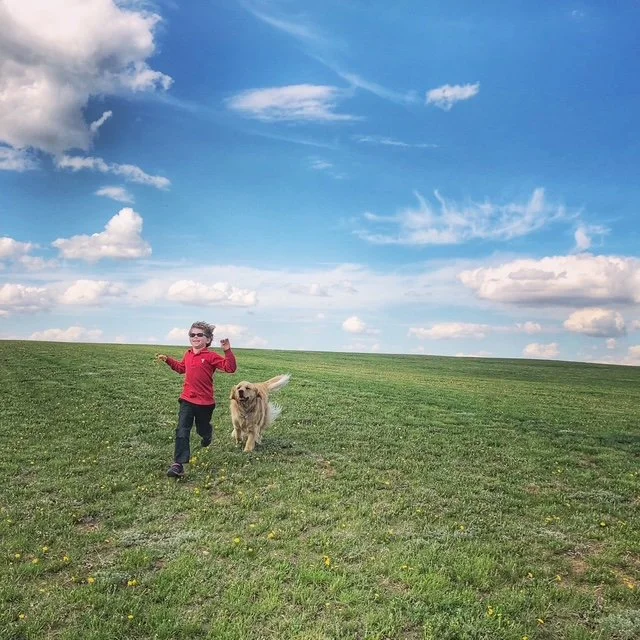
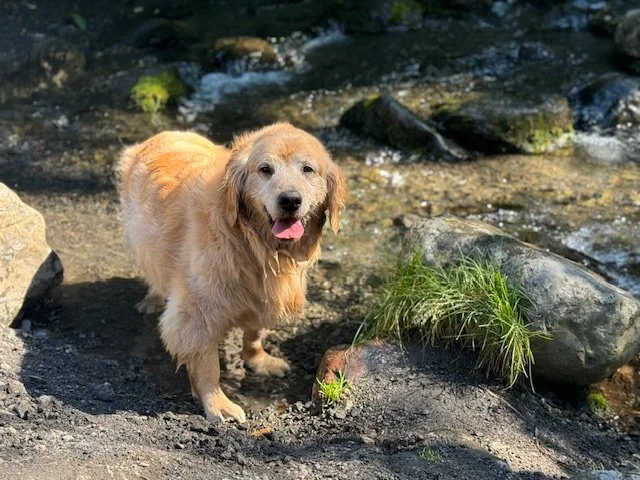
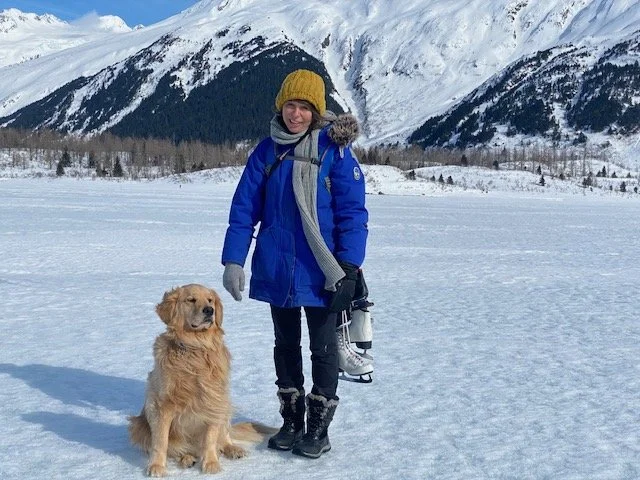
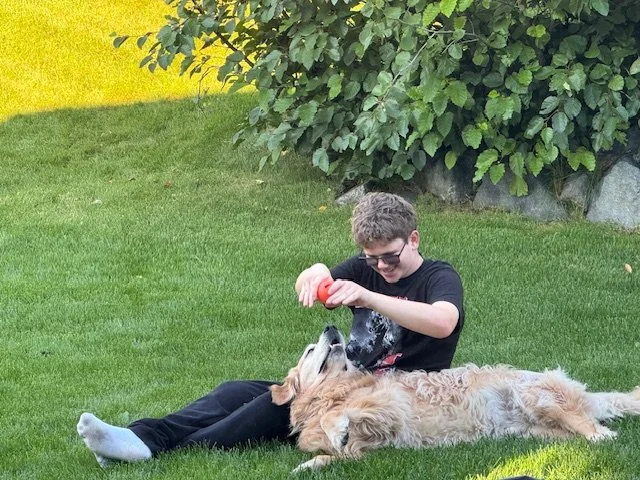
Pets enter our lives for a season. When my dad was dying, and I was raw with emotion, a surly cat entered my life. He provided comfort in times of gloom and lashed out at others who got too close. Even though he let some trusted friends into our world, he continuously seemed to embody the underlying currents of my mood during that turbulent time. My dog entered my life during a time of isolation and loneliness. His warm and inviting countenance drew others close. He seemed to always know who needed his peaceful presence in a given moment. He was content to settle his rhythm to the tone of our family life, be it resting by the fire or embarking on a grand adventure. We named him Kairos (God’s Time) as an act of thanksgiving that he came to us at the right time and to remind us to be patient and wait for God’s timing. Recently, as I said goodbye to our dear friend, his name took on a deeper significance, reminding us that God’s time also includes a period of letting go.
This Lent, the theme of “letting go” has weighed heavy in my prayer. I found plenty of superficial attachments that needed to be released to make more room for Christ. I made many internal commitments to this process of letting go, yet when this was all put to the test as Kairos was called home, I struggled to unfurl my fists. Letting go of Kairos felt like letting go of a season of life, of my son's boyhood, of halcyon times snuggled at the hearth. Other seasons of letting go quickly came to mind. Letting go of Dad, my twins, and grandparents, letting go of homes, towns, friends, jobs, and dreams. All these moments lingered in my soul, swirling about. I felt untethered. I then remembered that each of these seasons left me with an open dependence on the Lord. In each period of grief, I was raw, yes, but reliant on God in that very rawness.
Through prayer, I re-rooted myself in Christ and soothed myself with a litany of “blessed be the Lord…the peace in my soul is from the Lord…blessed be the Lord… the peace in my soul is from the Lord…” I hoped that if my mind said it enough, my heart would comply. I allowed Christ to move my heart into a space of gratitude, gratitude for all that Kairos was and all the joy he brought us. I recalled a passage from the Art of Raising a Puppy by the Monk’s of New Skete. They wrote:
“A puppy’s life clearly displays what characterizes the whole life: the mystery of development. The entire universe, it seems, is in a continuous process of growth that extends from before the first moments of each individual existence to the end of life and beyond. Nothing is excluded from this movement, though our own consciousness of its breadth can be dulled by the chaotic pace of our modern living. Too often, we take this journey for granted, carelessly letting it pass unacknowledged. With our busy lives, we can easily grow insensitive to the basic wonder of life, leaving us spiritually impoverished and unhappy. This is perhaps why animals (particularly our dogs) are so important to us and why we benefit from their companionship: they root us in life. Part of the joy of raising a puppy is the very concrete way it puts us in touch with the process of existence and the natural world around us. Watching the pup grow takes us outside ourselves and helps reestablish our own capacity for appreciation and wonder[1].”
That was Kairos’s task on earth. To help re-root me, my son, my husband, and all who knew him to the beauty of life in this world. It was a passing season, as is all existence in this world. It was a crescendo and a glimpse of the joys to come.
The knowledge that all things in this life must come to an end forms a strong fiber woven into the fabric of a life deeply entrenched in love. The youthful spirit sometimes rebels against this reality, but this is life! In his reflections on the role of the talking cricket in Pinocchio, Franco Nembrini echoed this truth deeply as he shared:
“Life presses and wounds us; it is made up of wonderful and good things that we know will end; it is made up of contradictions, and pain, and of awaiting great, infinite goodness. And in our heart (that is our reason, spirit, or soul) is the demand for an explanation, our quest for meaning in this muddle that is life. The talking-cricket is the voice of this request.”
The talking-cricket, or voice of the heart, speaks through the pains of loss and breaths in a new hope. As I learn to let go of the current season, I can allow my heart to be freely open to the road ahead, in God’s time, awaiting His will for that road —a mix of love, joy, and sacrifice, preparing me with hope rooted in the Kingdom to come.
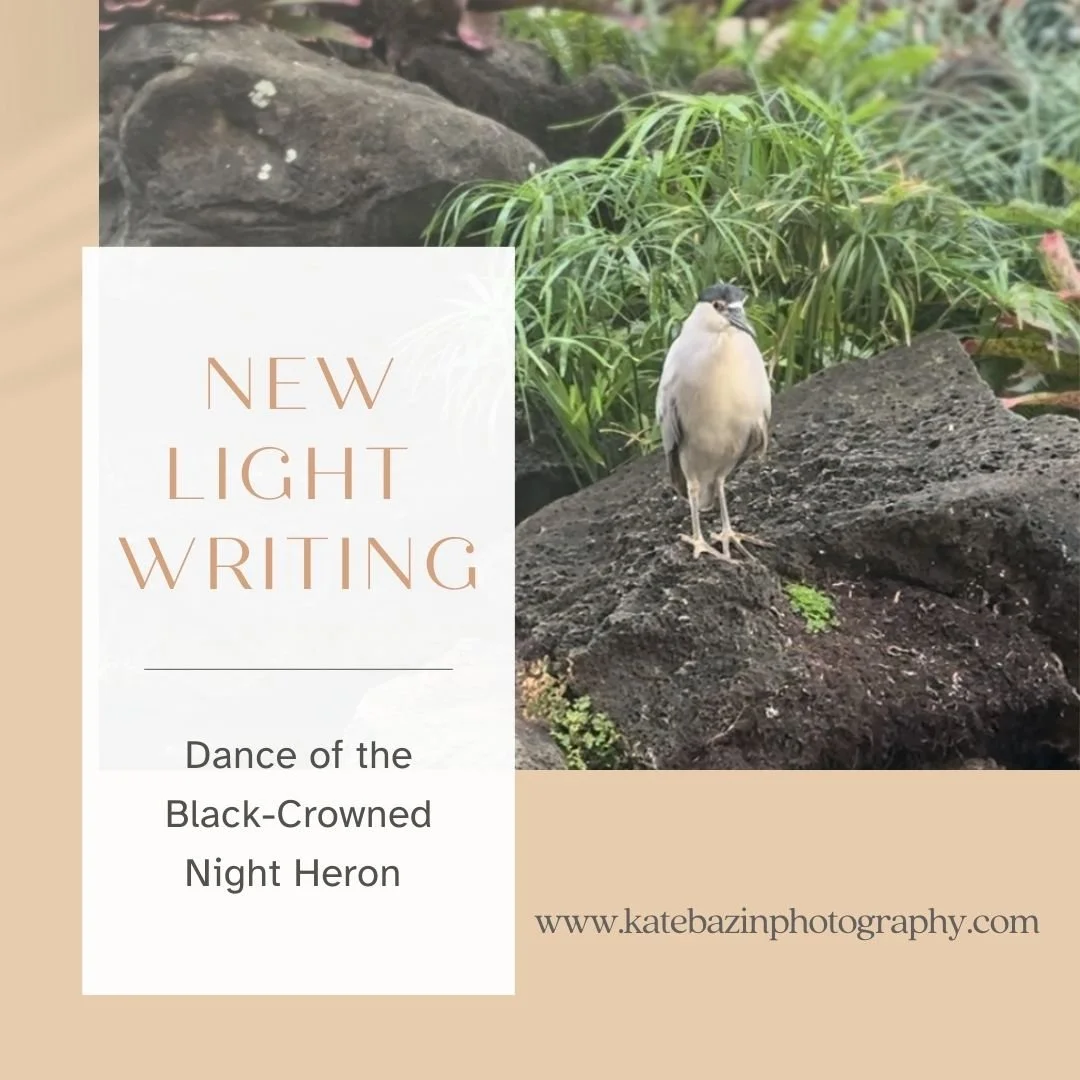
Dance of the Black-Crowned Night Heron
I walked through a crowded space with people humming about. My attention was suddenly captured by a group of small children performing little dances for a peculiar audience of one. The night heron gazed on, perched on a stone protected by a pond. The children took turns dancing in delight before the bird. As the world woodshed on, their hearts were captivated by the beauty of the bird. I allowed myself to take in his majesty with renewed sight. It struck me that the children were not only drawn to gaze in wonder but had launched into a sort of innocent spectacle in response to their wonder. I thought of Dawson’s description of the spiritual impulse of man- that yearning inside all of us that drives us to direct worship at something[1]. Our hearts long for worship – especially when touched by beauty. The children’s dance was a natural, untamed expression of that impulse. There is a naturalness to the purity of heart found in a child. Sofia Cavalletti described this natural capacity for prayer after carefully watching and studying children’s responses to catechetical lessons. In her foundational work, The Religious Potential of the Child, she explained, “It is a fact that children have an extraordinary capacity for prayer, as regards duration as well as spontaneity and dignity of expression. Theirs is a prayer of praise and thanksgiving, which expresses the nearness and transcendence of God[2]. The natural dance of the children echoed this spontaneous expression of praise and thanksgiving[3].
The dance of the children was a response beauty should evoke in the childhood spaces of our hearts. The Directory of Catechesis reminds us that “contemplating beauty elicits within us sentiments of joy, pleasure, tenderness, fullness, meaning, thus opening us to the transcendent[4].” This is the response our heart should take when encountering beauty in nature, song, words, or art[5]. Yet something happens as we grow. Our hearts made to worship in innocent delight start to bend. The naturalness of the awe that allows our gaze to drink the beauty of creation without forgetting the creator dulls. How is it that I have watched a slow creeping numbness sink in that shifts that desire and aims it towards accomplishments, power, wealth, or prestige? Do I forget how to worship, offering unasked for sacrifice? Do I seek to turn worship back on myself, as worship becomes an exchange, a way to earn the prized end of our desire? Is it possible to have my eyes set on a heavenly end but create a path littered with self-created obstacles? Do I slowly move God to the periphery of that gaze of worship?
What does it take to keep God at the center? A docile heart? The heart of a child gazing at what God has placed before her and nothing more? I am brought back to that strange movie, Joe Vs. the Volcano. There is a scene in which Joe Banks is left adrift on a raft in the ocean. All seems lost, and then a giant moon rises in the sky. Joe Banks stumbles to his feat, empty of all. At this moment, his only response to this natural wonder is a shaken prayer, “God, thank you for my life.” A simple prayer echoing the center of Mary’s great Magnificat. Lord, let this be my response to beauty and suffering. Help me cultivate a childlike awareness of your presence in the world and within me. Let my response be an offering of praise and thanks that flows out with the naturalness of a child – a child gazing at a magnificent bird.
[1] For a full explanation of this tendency and its influence on Culture, see Joseph Stuart, Christopher Dawson: A Cultural Mind in the Age of Great Wari ( Washington D.C: The Catholic University of America Press, 2022), 217
[2] Sophia Calvetti, The Religious Potential of the Child Chicago: Catechesis of the Good Shepherd Publications,1992), 44.
[3] I should note that this sort of response to creation should ultimately call our attention back to God, our creator. The bird, a fellow creature, should not be made an idol, but at the same time, the innocence of childhood allows this natural impulse to echo forth unbridled without fear. It is the innocence in the heart of a child that reminds us such expressions can glorify God!
[4] This Directory of Catechesis (Washington D.C.: United States Conference of Catholic Bishops), para 109.
[5] The Directory for Catechesis also clarifies that “the criteria of authentic beauty cannot be only that of aesthetics. There must be discernment between true beauty and forms that are apparently beauty and empty, or even harmful, like the forbidden fruit”, para. 108.
A Dance
Hello ancient friend.
How did you find yourself walking
down a path so cultured
and pristine?
Did you tire of the fresh water
and come to play
in this salty spring?
I too came for a dance;
not a waltz,
nor a tango,
no, a dance with the world;
a dance with our creator.
The sort where one floats
instead of fighting
in the breaks.
A dance to relinquish control.
A moment to let
my palms linger
atop the bubbles
and rest between the waves.
Juvenile Eagles
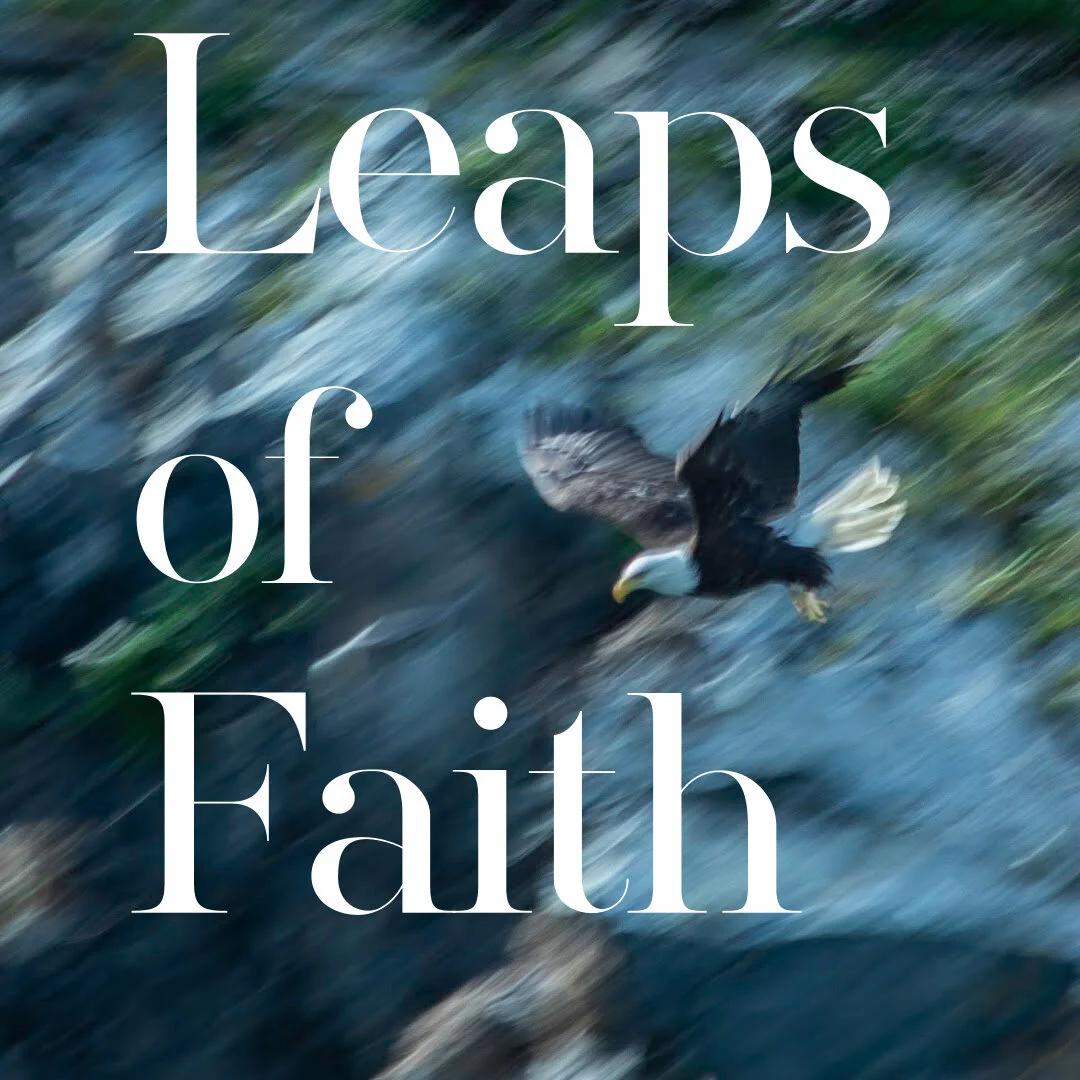
…I find strange encouragement watching these symbols of strength stumble along in their own journey. There will be moments to soar, but also plenty of moments on the ground preparing each other to launch.
Read MoreLeaps of Faith
“Is sin kind of like a force-field that blocks us from grace?” cue imaginary battle scene complete with Star Wars battle noises.
“What is that light feeling I feel in mass sometimes?”
“I bet Alexa would know the color of peace!”
“God is like my retainer, he keeps me in shape.”
Over the years, I have heard some funny and profound things as I help kids grapple with questions of theology through faith formation and teaching. My night teaching after-school or Sunday morning faith formation was often my favorite part of the week. I found that the kids I worked with had a deep natural understanding of matters of faith but needed help expressing and understanding it. After that, it was simply a matter of connecting their understanding to the liturgy and practices of faith.
While in graduate school, I would sometimes give my second grade faith formation students questions close to what I had been watching college students wrestle with. What sorts of things do you think of when I say water? What sort of things do you think water represents? Often, the second graders’ responses, full of depth and insight, taught me more than any theorist I had been reading.
Sofa Cavelletti highlights this reality in her book The Religious Potential of the Child. She comments on the “child’s mysterious knowledge” stating that, “In the religious sphere, it is a fact that children know things no one has told them...in fact the child seems capable of seeing the Invisible, almost as if it were more tangible and real than the immediate reality” (42-43). This truth often jumps out in my conversations with students and my son. This truth is one of the great joys of teaching.
As a parent, when I am busy and rushing through my day, I often don’t take the time to follow my son down questioning trails that would naturally lead us into these conversations. During the COVID slowdown, I was gifted the time to do just that. I was able to reclaim the joy of this aspect of my vocation.
As July came to an end, my mind began to turn back to the classroom with anticipation. I was looking forward to a new group of students full of light and laughter. However, I was also a bit afraid that I would lose this newfound rhythm. Then, an unexpected opportunity was placed before me. I was presented the chance to help develop a new faith formation curriculum. Our parish is currently battling the same challenges most throughout the country are facing. With resources stretched thin, and space absorbed by mitigation plans, faith formation was becoming an incomprehensible challenge. In the midst of this chaos, our pastor saw an opportunity to finish developing a faith formation curriculum he had started at a previous parish. A faith formation program that could take place within the home. A faith formation curriculum that, ideally, would help parents reclaim the joy found in growing in faith as a family. I cannot think of anything I would rather throw my energy into.
A dear friend will often say, “when God moves you, take a step.” One step, one leap, one jump. Sometimes that is all He asks. While that movement is scary it often ends up allowing me to experience the goodness of His Providence. When I look at where I am now, I see two sorts of movements that led me here: daily small steps formed in prayers and the big leaps of trust. While the small steps keep me moving forward, it is the big leaps that keep me aware of God’s profound goodness.
Fr. Jacque Philippe, describes the phenomenon well in Searching for and Maintaining Peace. He explains:
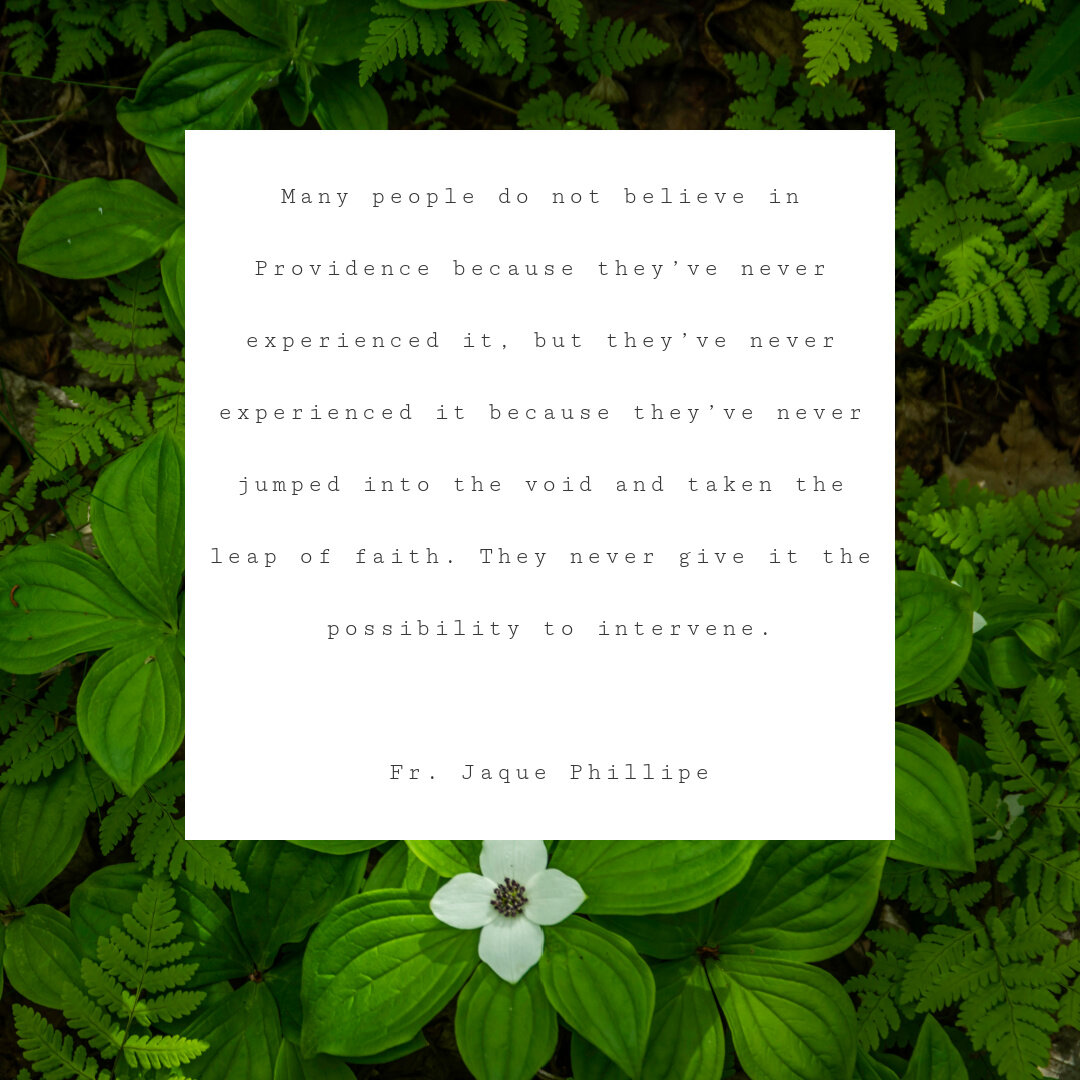
Many people do not believe in Providence because they’ve never experienced it, but they’ve never experienced it because they’ve never jumped into the void and taken the leap of faith. They never give it the possibility to intervene. (p. 28)
I have loved my work at Lumen Christi. I enjoyed being a part of this school, even if it was only for a short time. I will miss reading student papers and watching them work through new ideas and expressing their faith in new ways. Yet this job spoke to me. It pulled deeply at my heart. And so, I took the leap in trust. I quickly made a firm decision.
Afterward, I found myself praying for confirmation that I had made the right choice and giving way to fears that I may have derailed any long-term professional opportunities. What if I am not actually up to the task at hand? What if life intervenes? My resume is already full of short-term jobs and moves. What will this look like to a future employer?
As these questions flitted in the back of my mind, I settled down to watch a new video from one of my favorite Catholic speakers, Sr. Josephine Garret, which happened to be on discernment. In her talk she reminds us that God will give us the bread we need for this day. Her words returned me to that state of trust, and receptivity that I know I can find when I open myself up to God in prayer. She returned me to peace.
I do not know what I will accomplish through this program or what impact it will have on my resume, but I do know that walking on this path will allow me and my family to walk in peace together towards God. With His help, if I do it well, I might be able to help others find that same peace during these tumultuous times. That is a leap well worth taking.
Works Cited:
Cavaletti, Sofia. The Religious Potential of the Child. Archdiocese of Chicago: Liturgy Training Publications, 1992.
Philippe, Jacques. Searching for and Maintaining Peace: A Small Treatise on Peace of Heart. St. Paul, 2002.
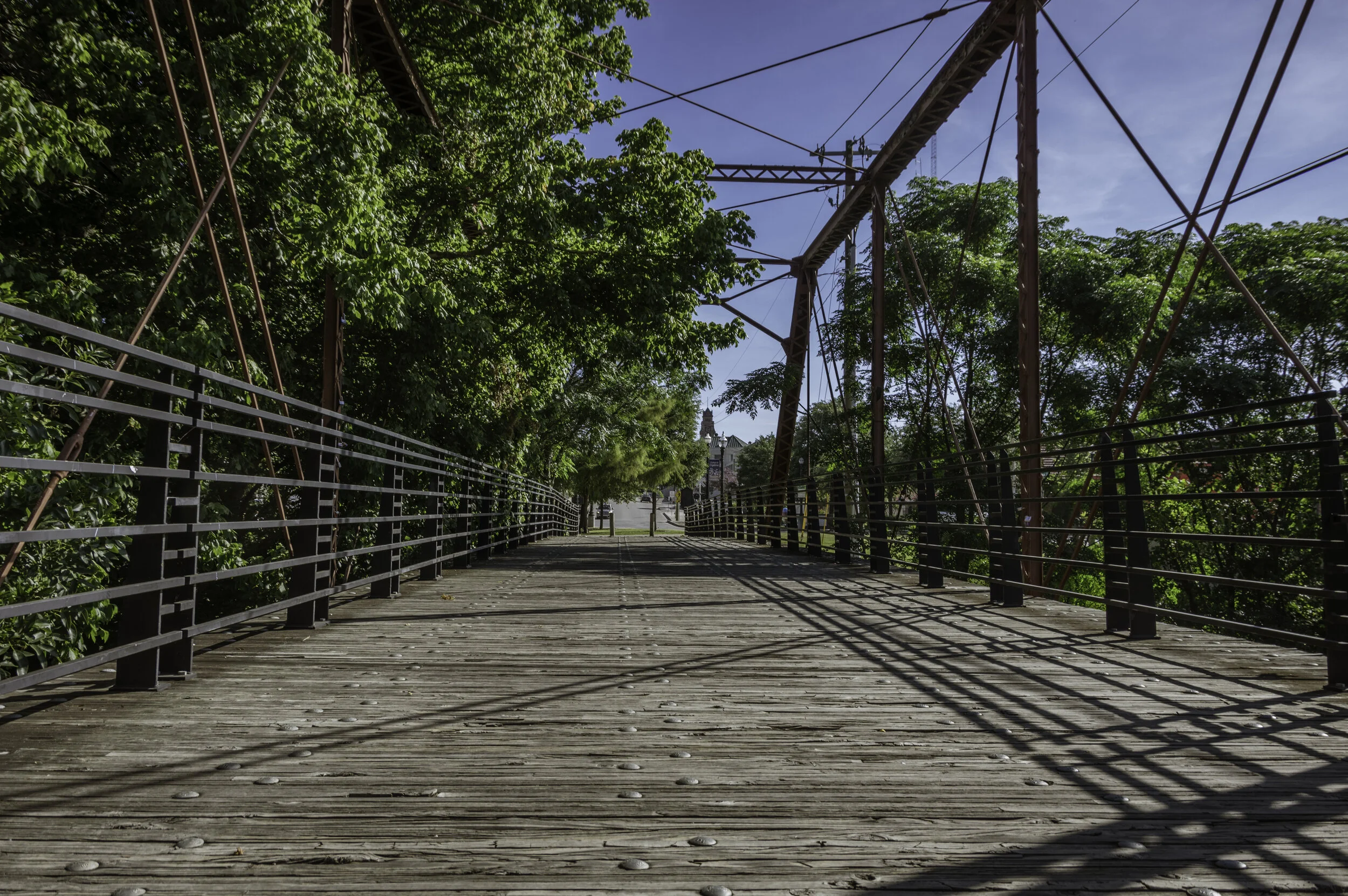
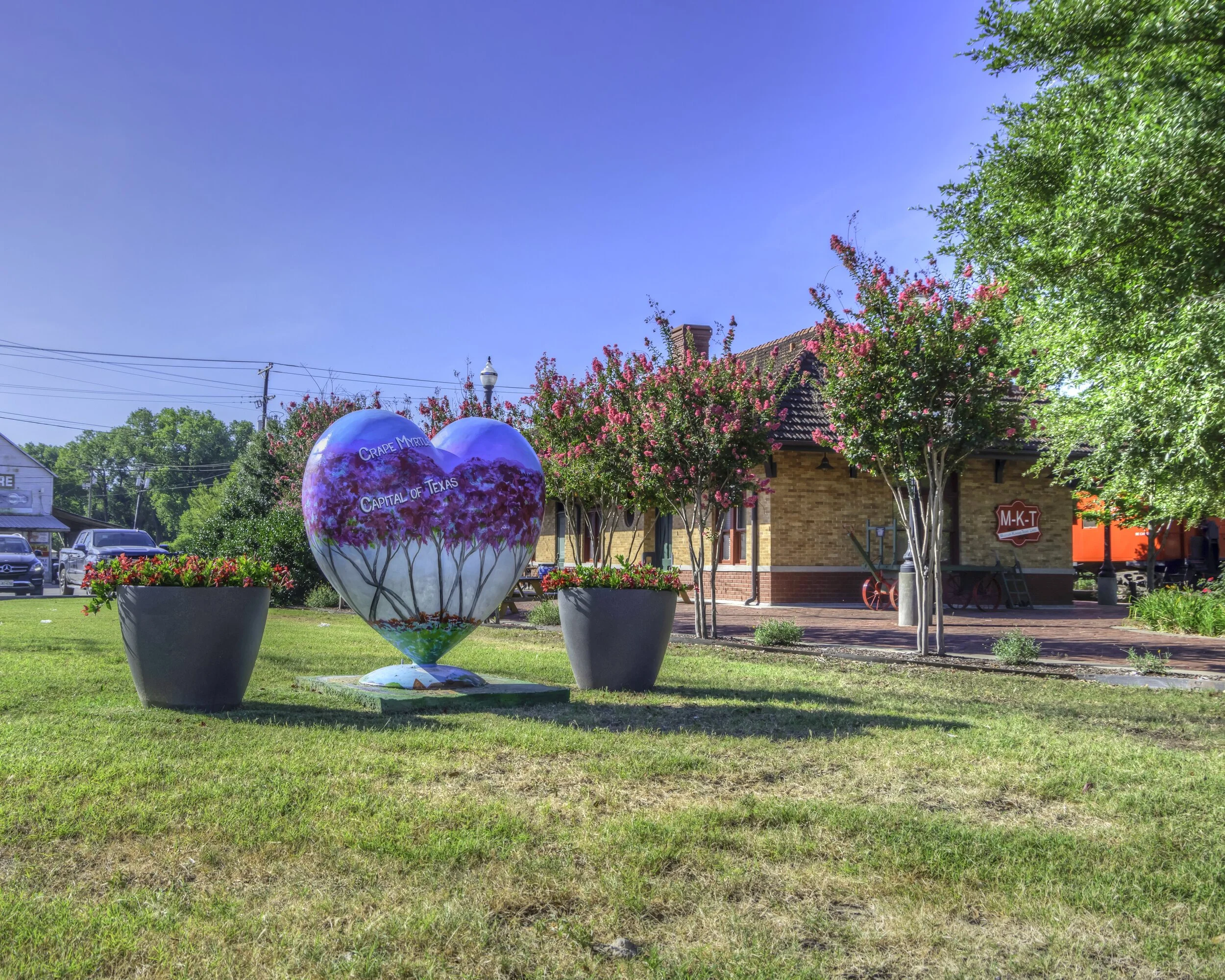
Image from the retired railroad outside the Waxahachie town square.
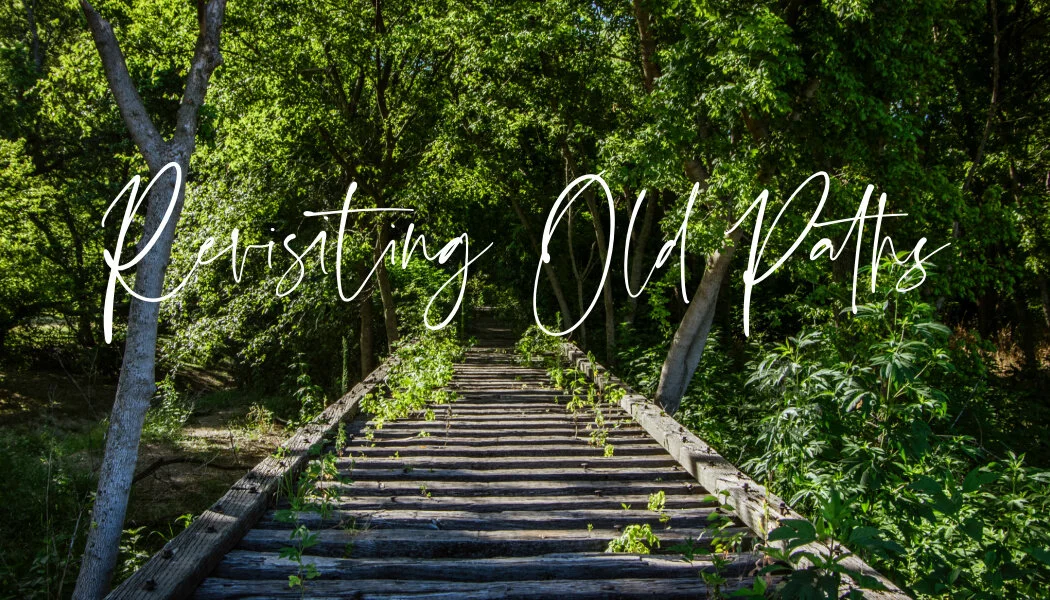
Revisiting Old Paths
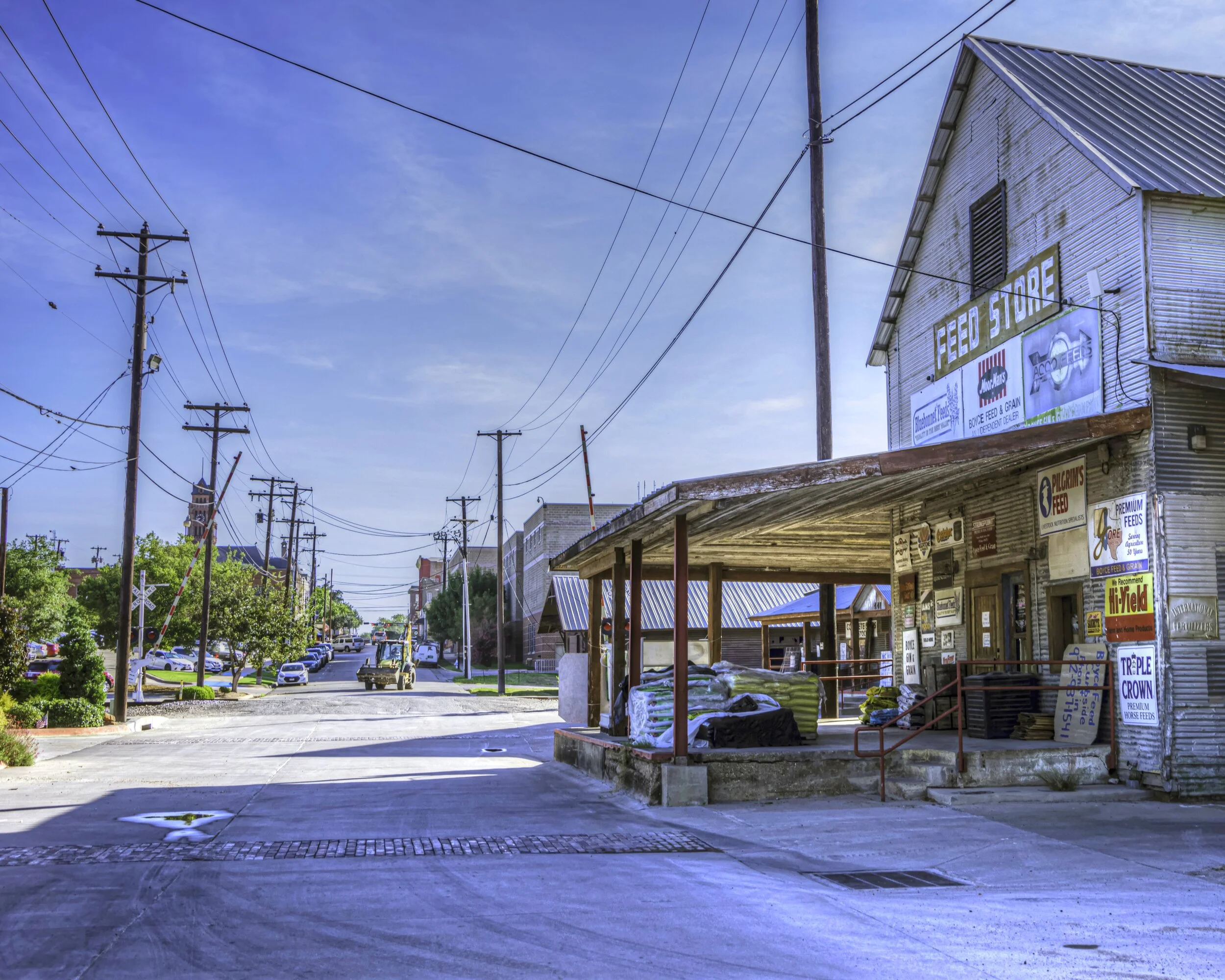
Every time I revisit the little towns that nurtured me as I grew up, I am a bit overwhelmed by all the change. There are familiar sights but reframed. Once fading town squares have been renewed. In Waxahachie, the town of my High School alma mater, the old courthouse is now surrounded by new shops and restaurants. The old train station has been transformed into a cafe overlooking a new park and amphitheater. There is a trendy downtown feel to this new venue that exists alongside a timeless avenue garnished with an unchanged feed store, tractors and tourists. There is a sense of rootedness and progress colliding in the same corner.
Waxhachie’s courthouse as seen from the the historic Rodgers Street Bridge.
In High School, I spent a lot of time in this square parked in an old run down coffee shop full of second hand couches. Here, I listened to a shifting local cast of aspiring songwriters, musicians and poets. I debated interpretations of scripture and current events confident in my own unripe opinions. The owner of the coffee shop had made that place a refuge for the youth of the town. The town was smaller then. Each building had more of an unpreserved historic look.
Now, there are new trails that wind into areas that I had never explored. I feel a bit of heartache when I look at the old farm fields that have been replaced by an overwhelming cluster of homes or new roads in places that were once untamed. Then I think of the beauty of this place, a beauty now accessible to a larger group of people. I revisit my tiny home parish in its new large church. I think of summers dotted with festivals that celebrate the mundane in extraordinary fashion. I marvel over the town's ability to cling to tradition while embracing progress. I see the same scattering of churches spread throughout the town, fighting for the same souls with a single-sourced remedy dispersed through various degrees of dissolution and preservatives. I see the hope this place continues to offer.
My trips home tend to restore context to my current work. I digest the old and the new as I wander through Waxahachie with my family. I visit my Dad’s resting place in West and root myself in the memories of that place.
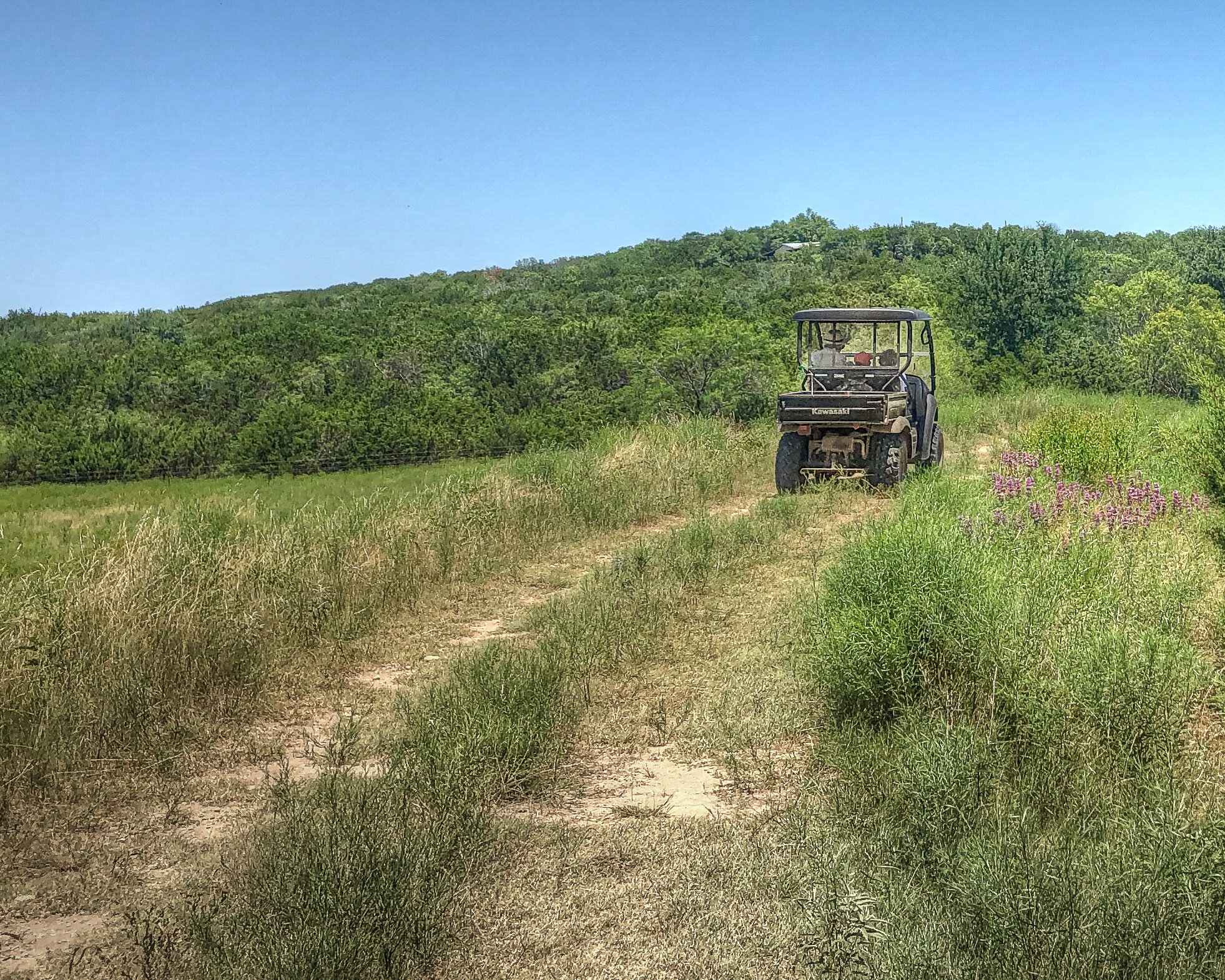
I am embraced by my family and remember all the stories that have fed me through the years. We spend a day on my aunt's ranch and the pressures of an unseen future fade away. For a moment, I am a kid again, along for the ride soaking in the joy of each rock, bump and creature. Each year it seems I come to this place in the midst of a new juncture. From this vantage point the journey I have taken feels distant and far-lung, yet I find comfort knowing the tracks look the same. I trip home eases the transition. These visits give me the space to gratefully look back and revel in the beauty of old paths revitalized and restored.
Movement & Stillness: Knowing When to Fly
Recently, I have been thinking a lot about movement and stillness. There is a point in St. Josemaría’s The Way that frequently comes to mind. In this point he says:
Rush, rush, rush! Hustle and bustle! Feverish activity! The mad urge to dash about. Amazing material structures…
On the spiritual level…shams, illusions: flimsy back-drops, cheesecloth scenery, painted cardboard…Hustle and bustle! And a lot of people running hither and thither.
Is it because they work thinking only of “today”; their vision is limited to “the present” what has passed and what has yet to come.
Calmness. Peace. Intense life within you. Without that wild hurry. Without that mad urge for change. From your own place in in life, like a powerful generator of spiritual energy, you will give light and vigor to ever so many without loosing your own vitality and your own light.
- St. Josemaría Escriva, The Way #837
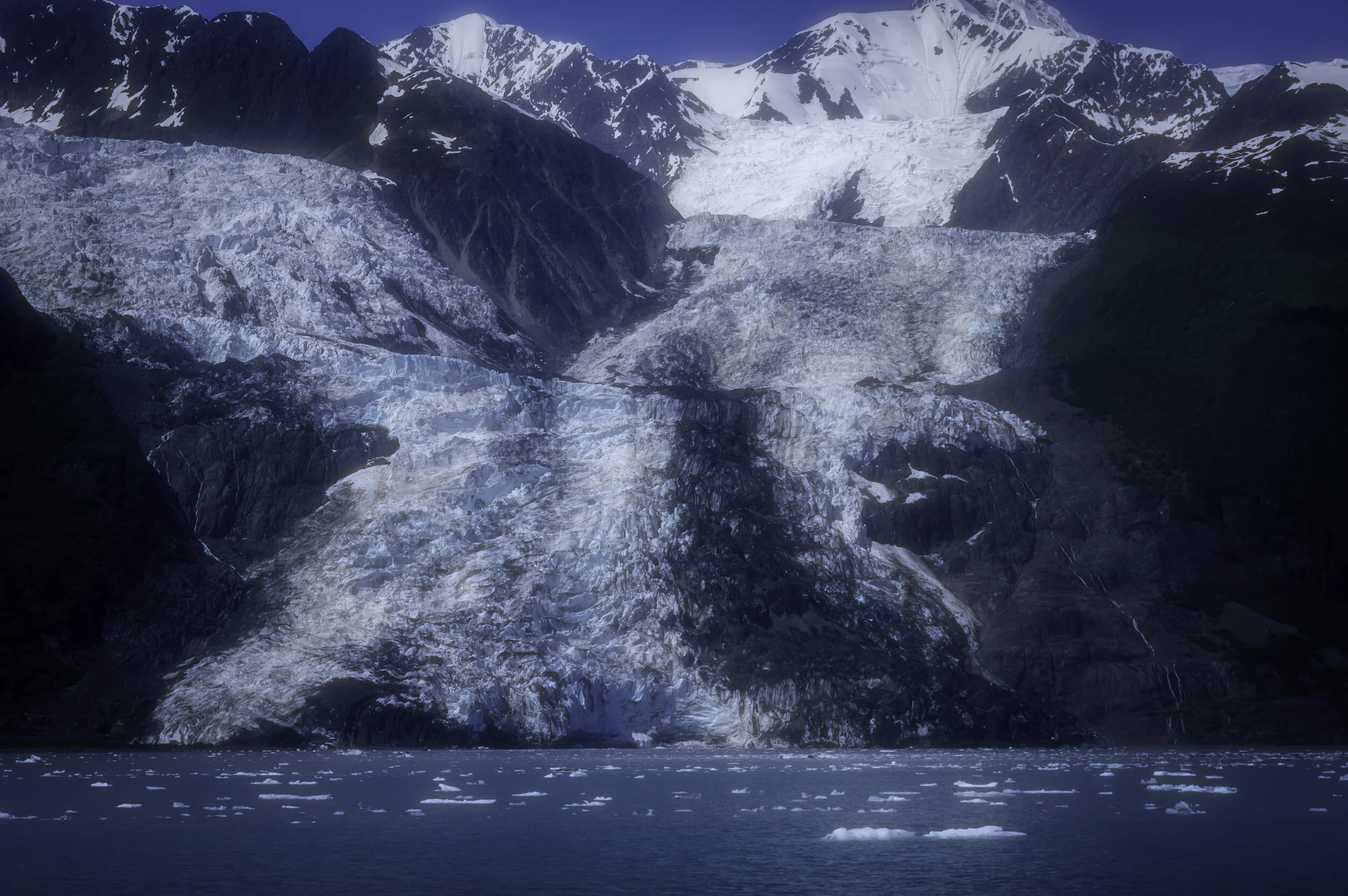
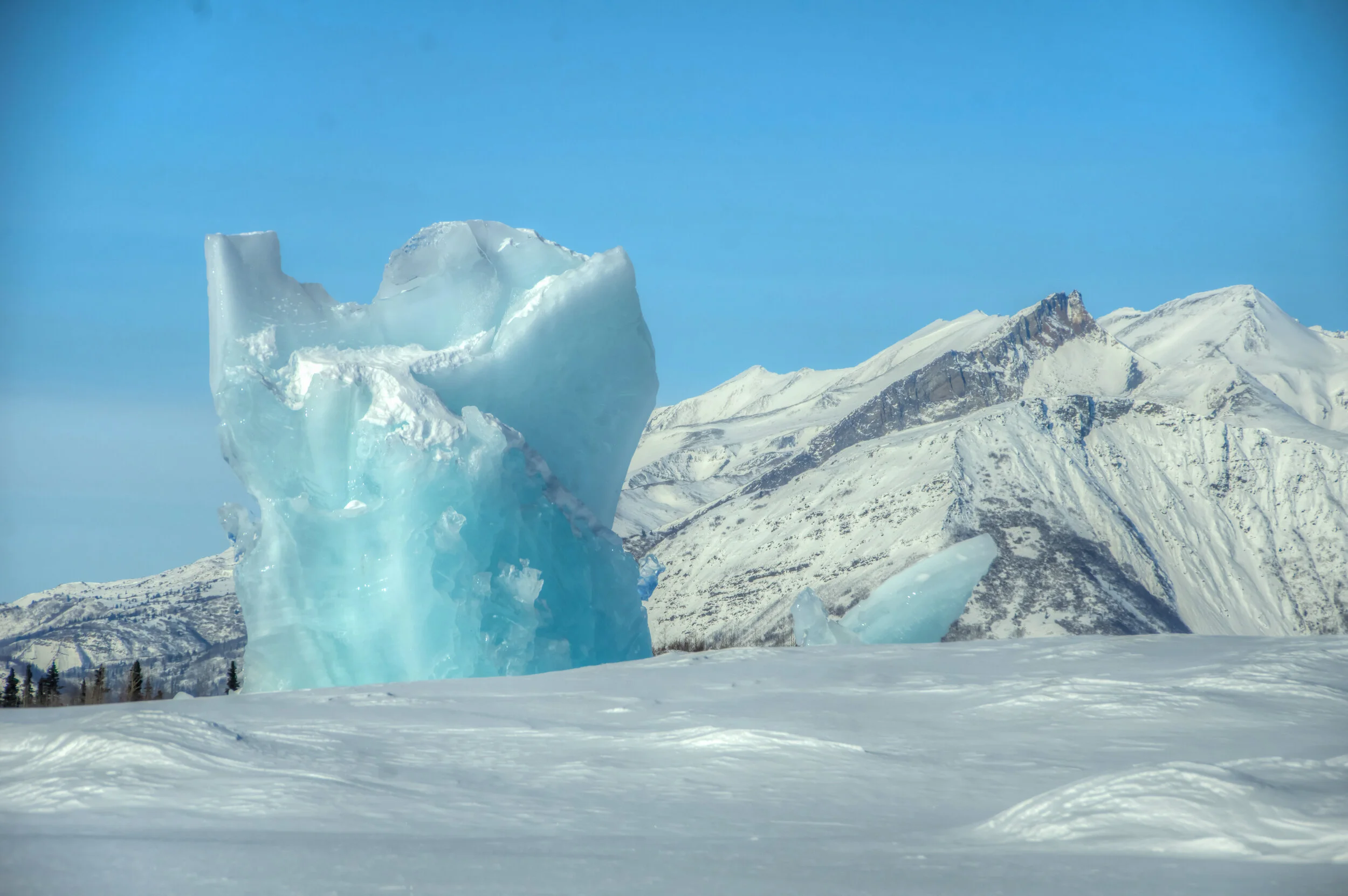
Yesterday, I toured Prince William Sound and marveled at land carved by glaciers. The glaciers are formed as snow continuously accumulates on the high elevations in the Alaskan mountains. The steady snowfall compacts forming ice that slowly moves shaping the land, feeding lakes and rivers. While most glaciers have been retreating since the last ice age, there area few glaciers actively advancing. Yesterday we visited one of these glaciers and witnessed a calving.
Calvings are dramatic displays of a subtle change that is constantly occurring within the glacier as it shapes the environment around it. The occurrence was a stark reminder that this seemingly stagnant slice of land is growing within nurtured by a slow and unwavering snowfall.
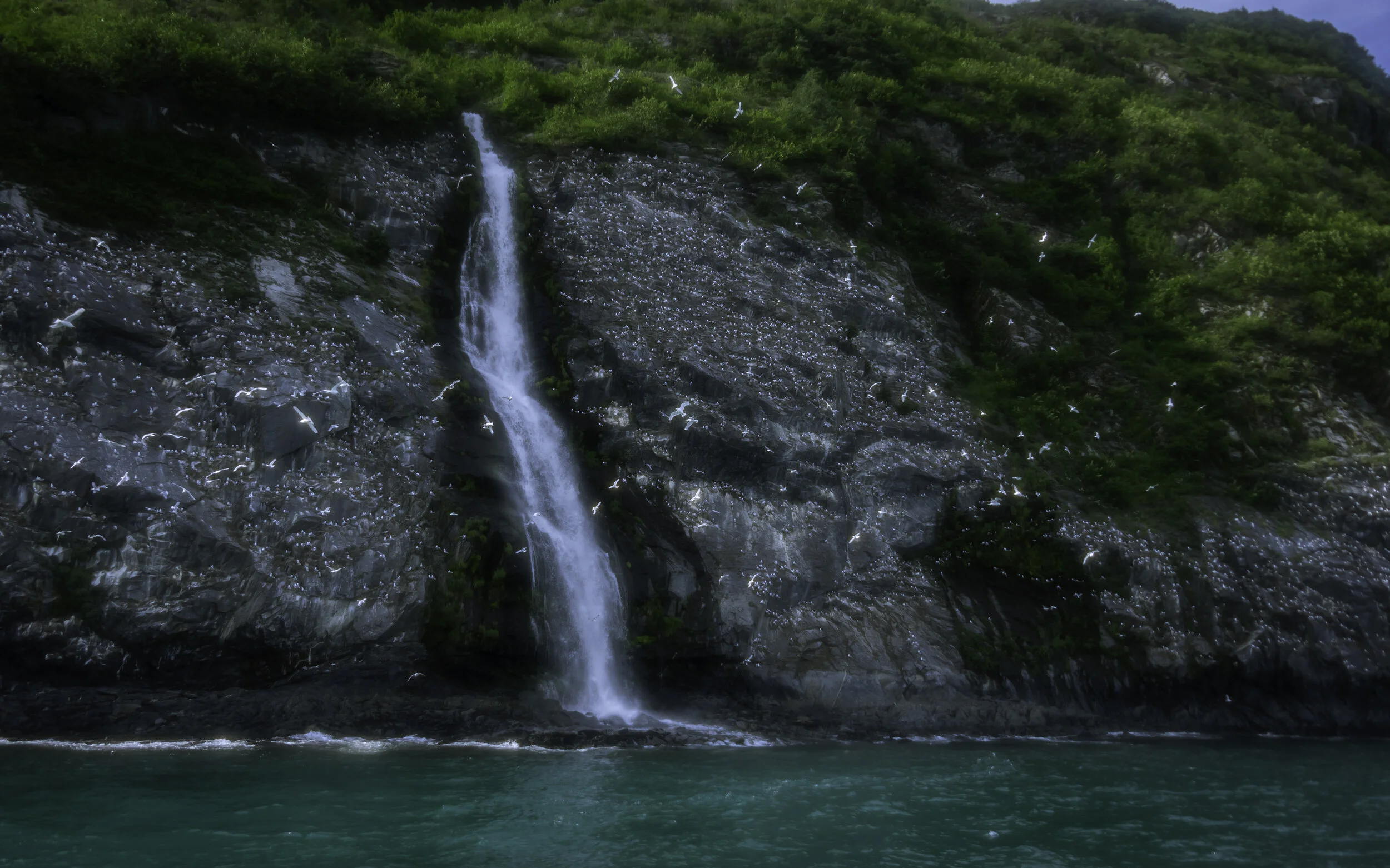
After the glacier tour we wove our way to small oasis near the harbor in Whittier. Here a fluid stream of crystal clear water nourishes the kittiwake birds. These birds added a layer of vivacious movement to an otherwise quiescent scene as their figures provided playful movement to the rock side. Occasionally, the entire flock would crescendo into harmonious dance.
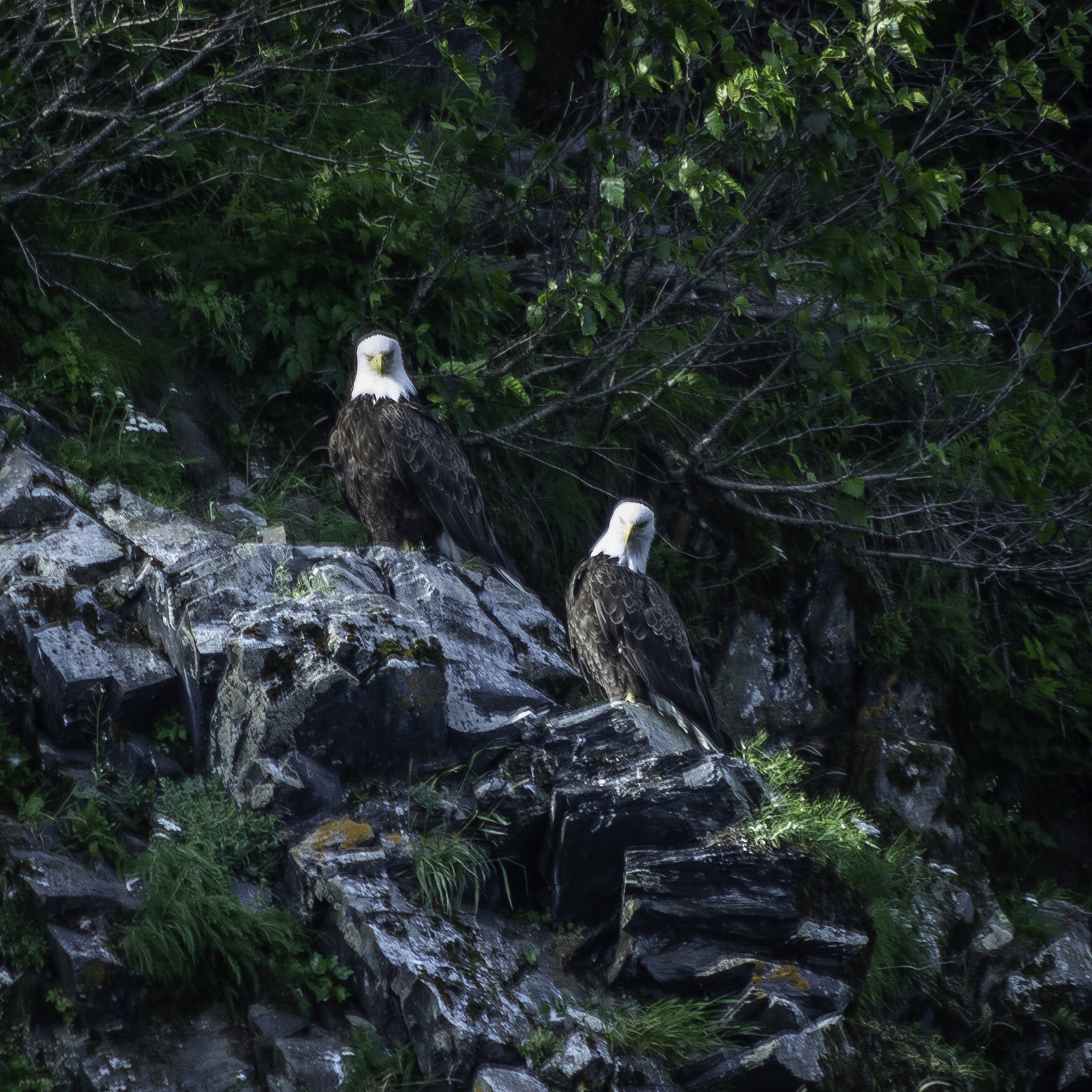
After drinking in this movement for some time, I spotted a set of eagles perched on the rocks above. The stillness of their form contrasted greatly against the delicate and turbulent movement of the kittiwakes.
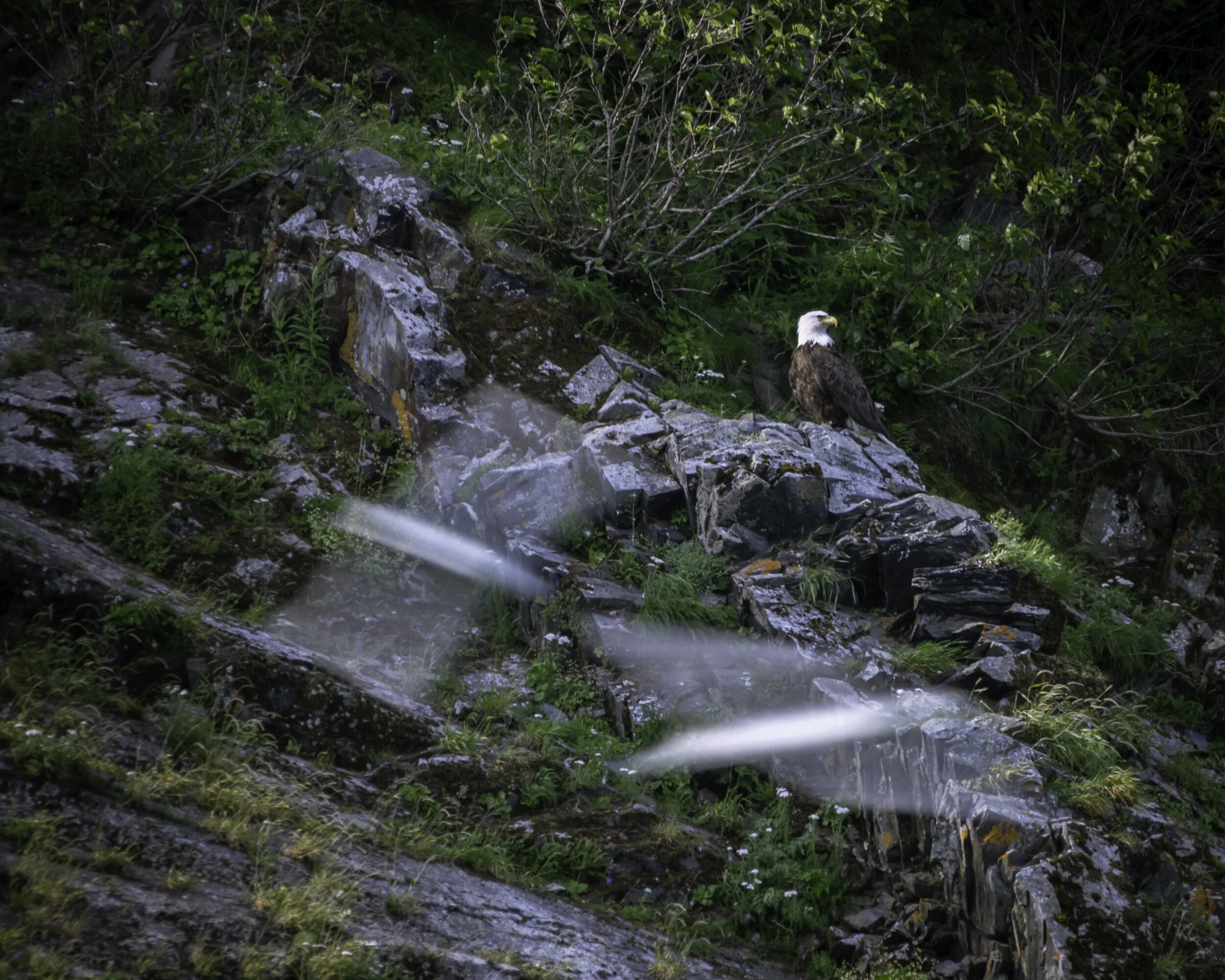
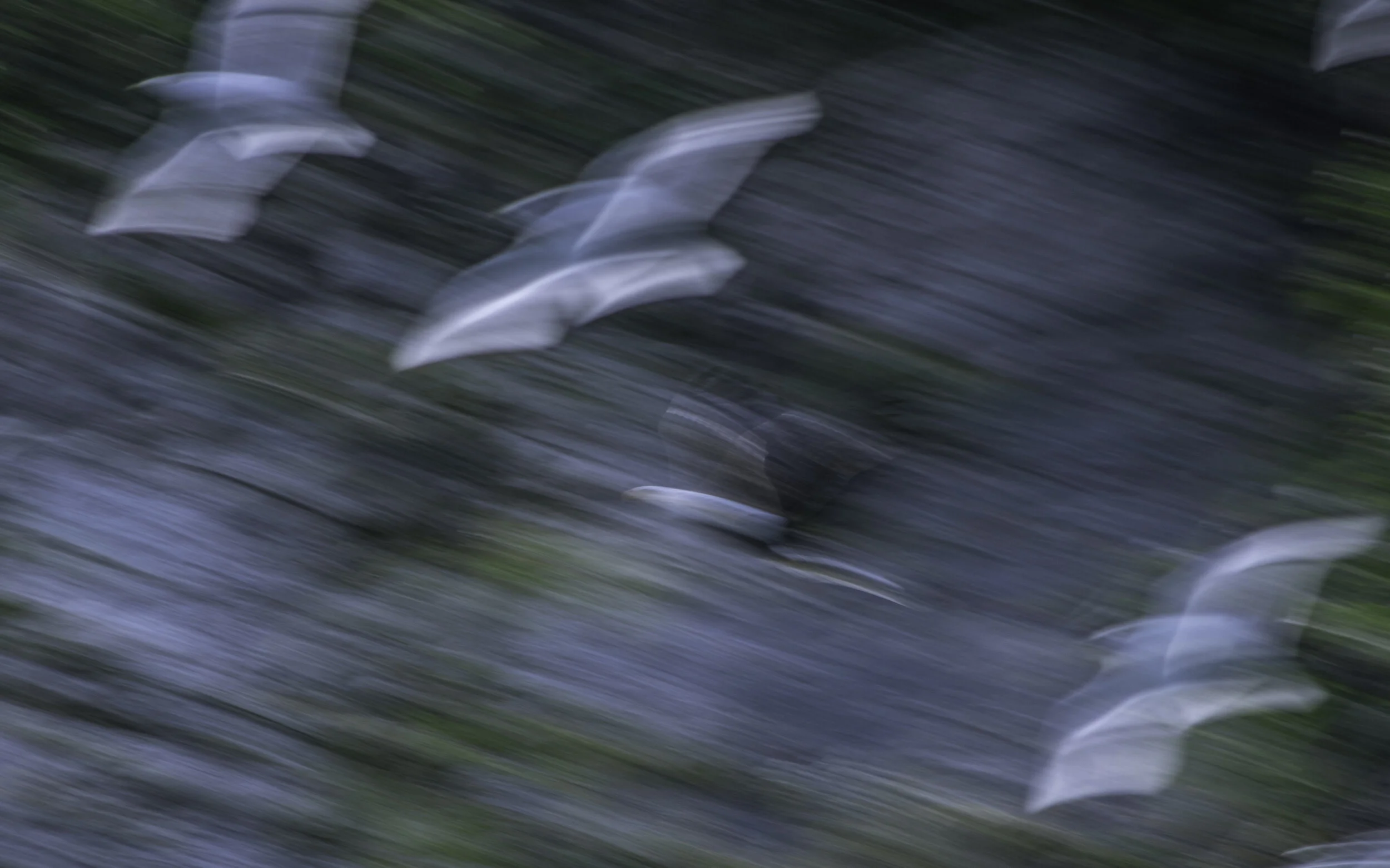
We all watched hoping one would soon take flight. After some time, our patience was rewarded as one of the eagles swept into the air to fly alongside the small birds dancing about. While I had my lens steadied on that magnificent bird, in that instant I was abruptly rocked by the movement of the boat. I was disheartened thinking I had lost the shot I had been preparing. And yet, when I examined the image closer I decided not all was lost. The moment I captured contained the genuine blurriness of movement. It is hard to see clearly while moving.
St. Josemaría constantly calls Christians to seek holiness within the circumstances Providence has placed them. He recognized that just as Christ called people from all walks of life to follow him, individuals are called to the heights of holiness within every situation. He teaches that each person’s activities fed by prayer and done well can revitalize any environment. Sometimes my work feels like the slow accumulation of snowfall, other times it has the energizing flitting of an aerial dance. I do not always have the perspective see beauty in this dance. Yet, there in the still moments of prayer, I see Christ correcting and redirection. It is in those moments I can see clear enough to trust that grace will see me through the obscurity of my next flurry of movement. Lord, grant me the grace to fly within the peace of your presence.
Work in Progress: A Glance Behind the Scenes
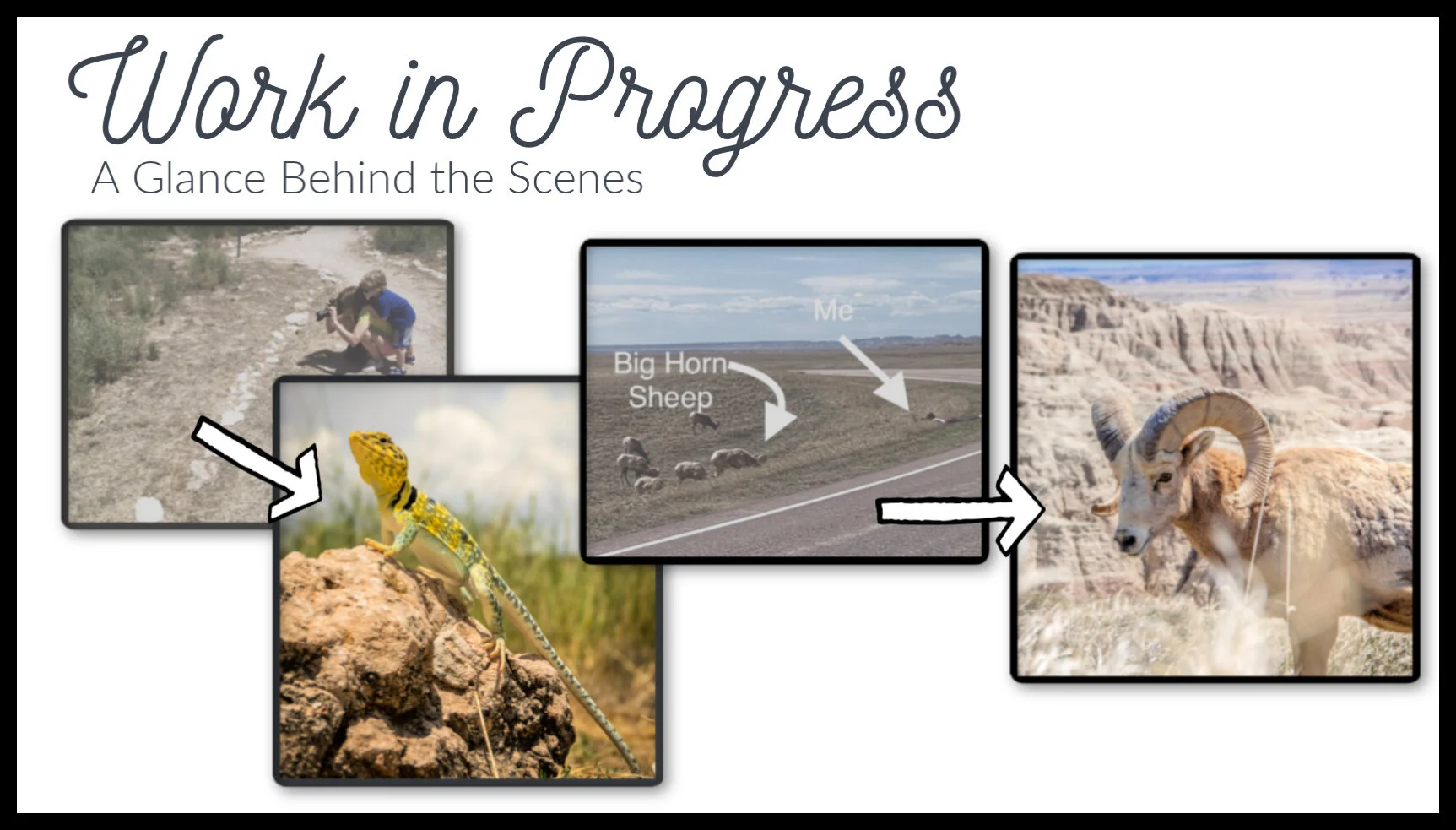
I have a tendency to get distracted by things in the periphery. In school this was called ADHD and was often a struggle. I have learned that this tendency can, at times, be a strength because it also means I see the things in the periphery. In photography this weakness is a needed skill.
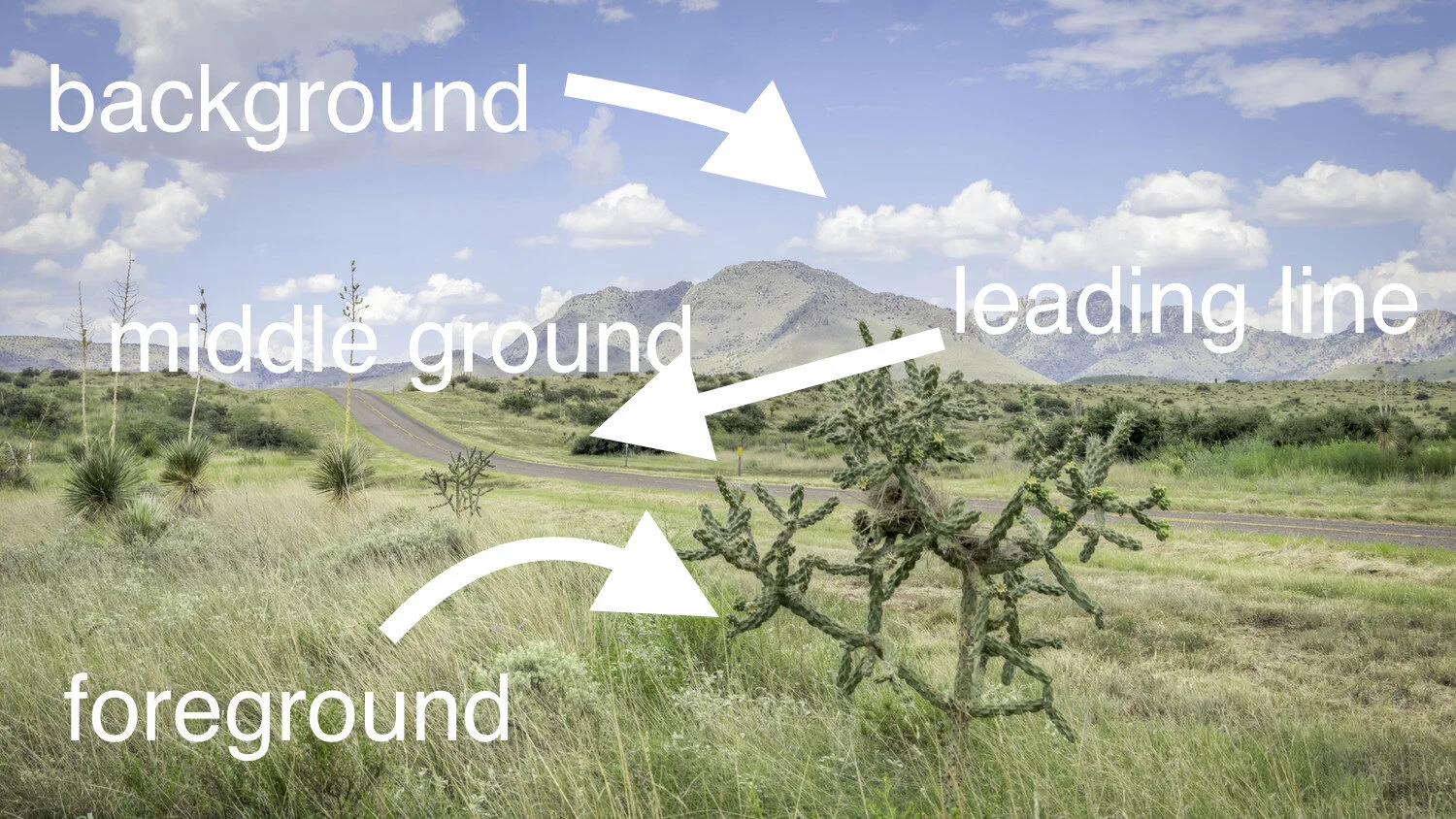
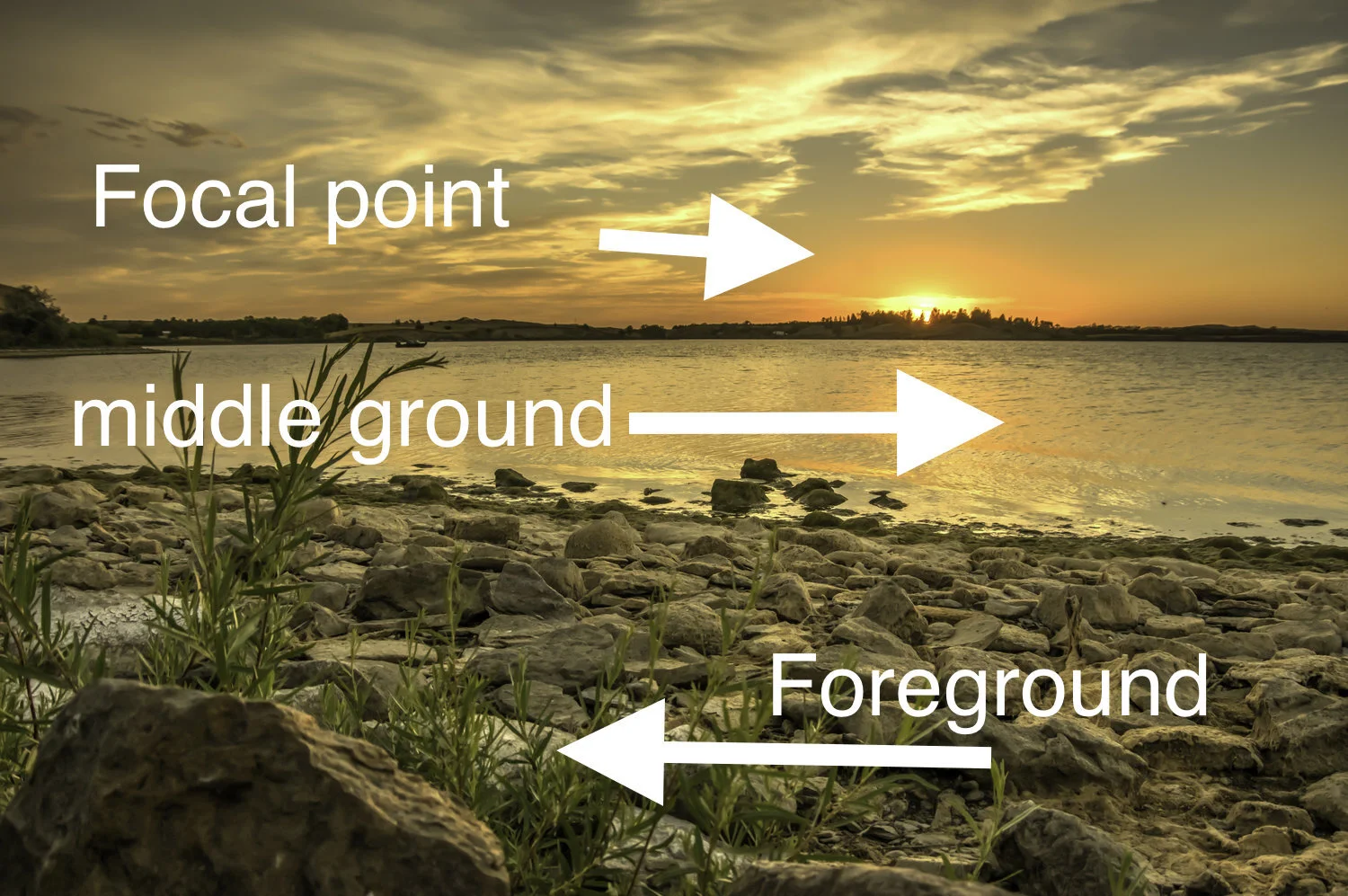
A well-composed landscape shot often contains a compelling element in the foreground, middle ground, and background. While photographers make use of artistic principles such as the rule of thirds and leading lines to compose a picture, they are generally restricted to what is before them in reality. I love nature photography because the scene I capture is not one I create but rather frame. I use technology to artistically portray what is in nature by changing my angle and position.
While I have found some uses for my habitual instability of focus and many techniques for overcoming the challenges, I find that I must continually work to keep my priorities in order. I have them clearly laid out in my head (God, family, work, community) but sometimes the lines get blurry while trying to practice this ideal in my day to day life. Am I giving my son enough attention, without smothering him or removing needed independence and responsibility? Am I giving too much time to the intellectual work I enjoy and not enough to the organization and care of my home? Where does my photography business fit on the scale of priorities?
In some ways this little hobby turned business has been a blessing for our family life. It gets us outside and exploring, my husband and I connect over the images and I do make a bit of money on the venture. However, I also sometimes disconnect from those around me while shooting, editing photos or writing and this causes me to question this use of time.
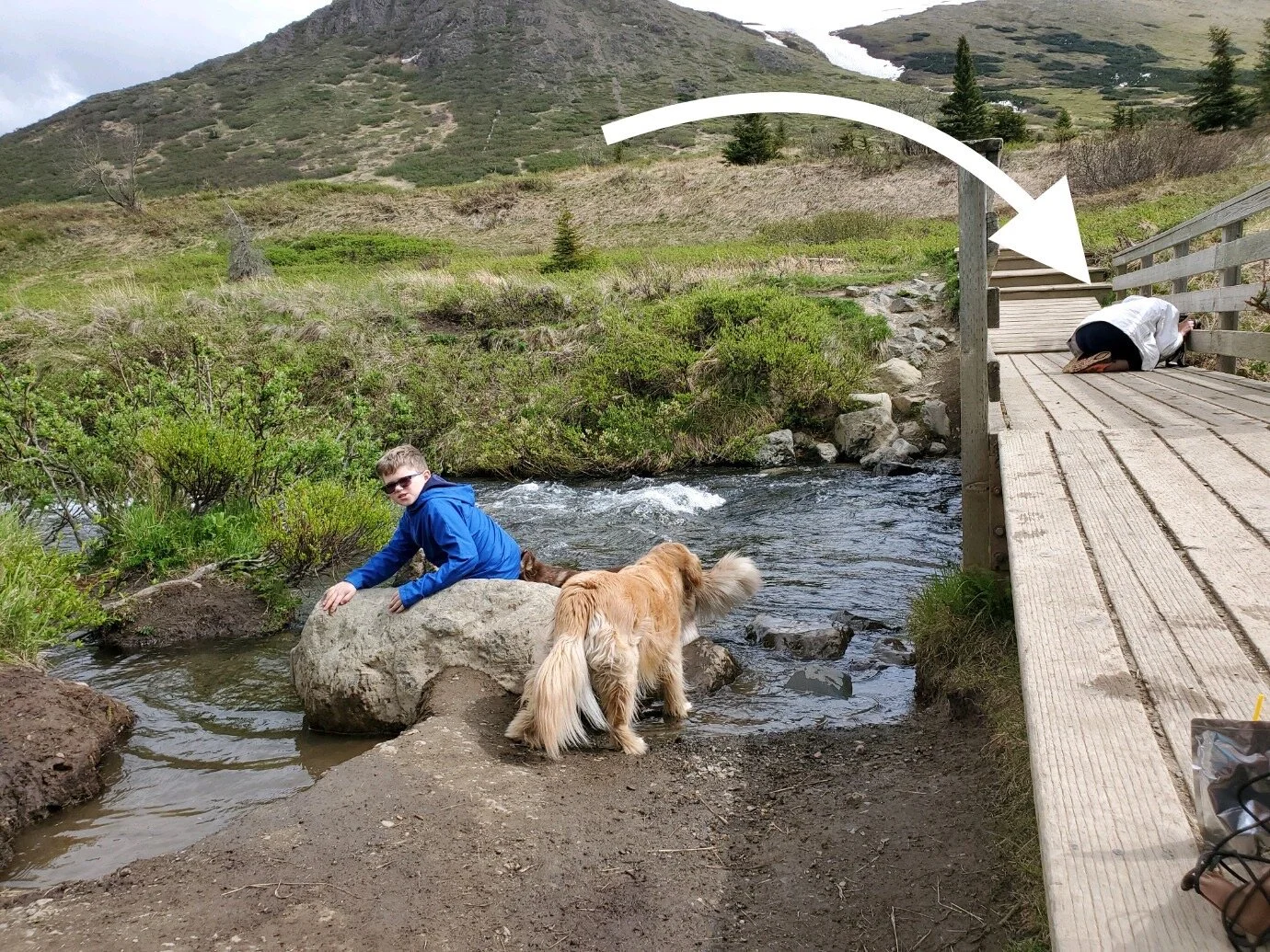
Where is Mom?
Recently, I was reminded that space to grow is good and important. My family functions best when we are all allowing each other to grow as individuals walking together, laughing together, and centering each other on Christ. I have learned that loving my son and husband well requires a willingness to correct the course when necessary, but also giving them the freedom to make the correction. I also have had to learn to be comfortable giving myself a certain bit of freedom while trusting that those who love me will step in if they see me adrift. There is something very freeing in acknowledging that a work is still in progress, incomplete and growing. I often catch myself praying for big picture clarity and direction. However, when I narrow my focus, I realize all God is really asking of me is to see the beauty of a each particular moment, completing only the task at hand and trusting that the journey will end in unity with Him.
Mud Streams
Over the years I have become very discerning in what I feed my imagination. I noticed that constant exposure to media tended to negatively impact my emotions, my will power and often cloud my judgement. When I engage too much with media of any sort I feel my mind clouding up. My thoughts feel less my own. It is as if I am thinking through a muck that prevents me from seeing and hearing others with openness and clarity.
Yet, there in the digital spaces built for interaction lies a bridge connecting me to many people I genuinely care about. The world of social media gives us a little window into each others’ lives. I watch my friends care for their families, fight for truth, and do brave and kind acts. I laugh at their stories and join them in prayer over struggles. I soak in art created and I drink in beautiful words.
This summer I decided to give a bit more time and intention to the cultivation of my own little digital space. I hoped to create a small oasis within the chaos of the internet to visit peaceful scenes and rest in thoughtful words. In the midst of this process I also joined a group of writers working to spread hope. Here, I found a world of women who had important messages and gifts to share.
Our conversations inspired me to construct Took’s Landing, a space for writers looking for a reader. Poetry slowly trickled in from women in far off places pausing to share their own wonder. As a photographer I frame what I find in nature to showcase a particular mix of patterns, texture and depth. I try to tell the story I see in the land. As I build this space I hope to provide a place to drink in clear water from those who see and chose to speak the wondrous side of things. Visit Took’s Landing each Monday for new posts or pause at the digital expeditions anytime you need a place to stop and marvel. If you feel your own words boiling up and need a place for them to land, submit at anytime.
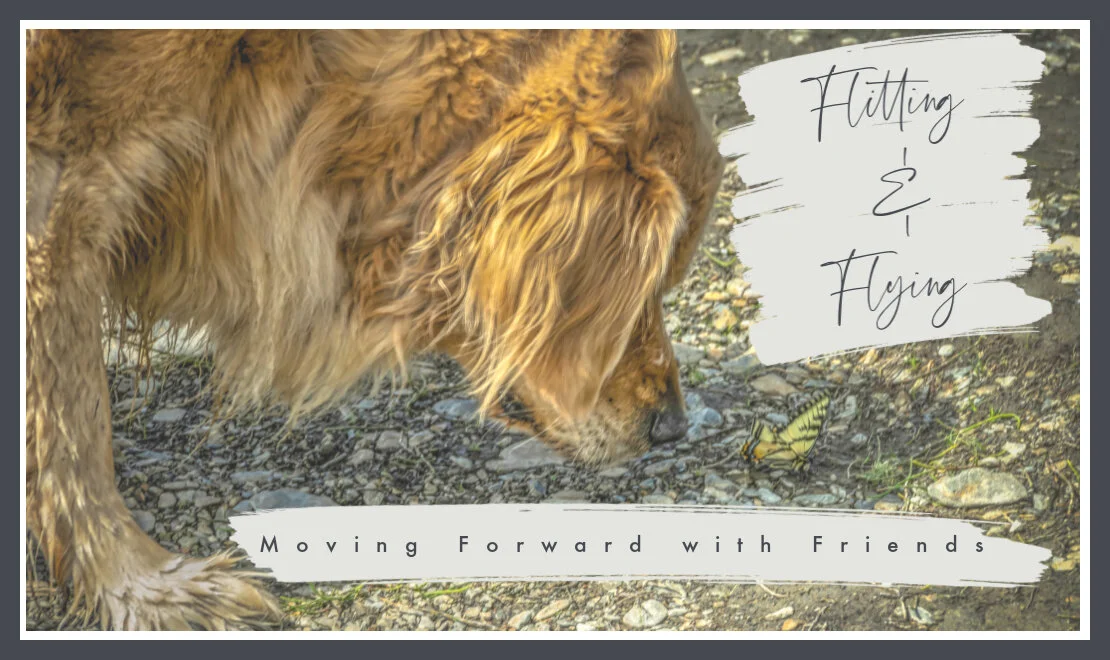
Flitting and Flying: Moving Forward with Friends
Recently, I have taken a lot of time to explore Alaska with friends. As we walk the trails our conversations meander as they will and I learn a lot. This also allows me to let John explore at a distance with a bit of freedom.
My son and I were given such similar temperaments that often an uneasy clarity and self-awareness emerges as I watch his interactions. He is a joyful child who brings an exuberant energy into everything he does. However, this intense enthusiasm sometimes has him running full force in multiple directions going nowhere in particular. Luckily, he is frequently blessed with steady friends that bring a peaceful momentum to his adventures.
John’s friendship with Giovanni was forged in Cub Scouts. I remember the first project they did together. The boys each had a wooden airplane kit to build. John jumped right in barely reading the instructions. It took a great deal of trial and error to pull together his little airplane. Giovanni worked quietly, slowly and deliberately considering each step. It took him a bit longer but at the end he had a solid, beautifully constructed airplane without the marks of false starts.
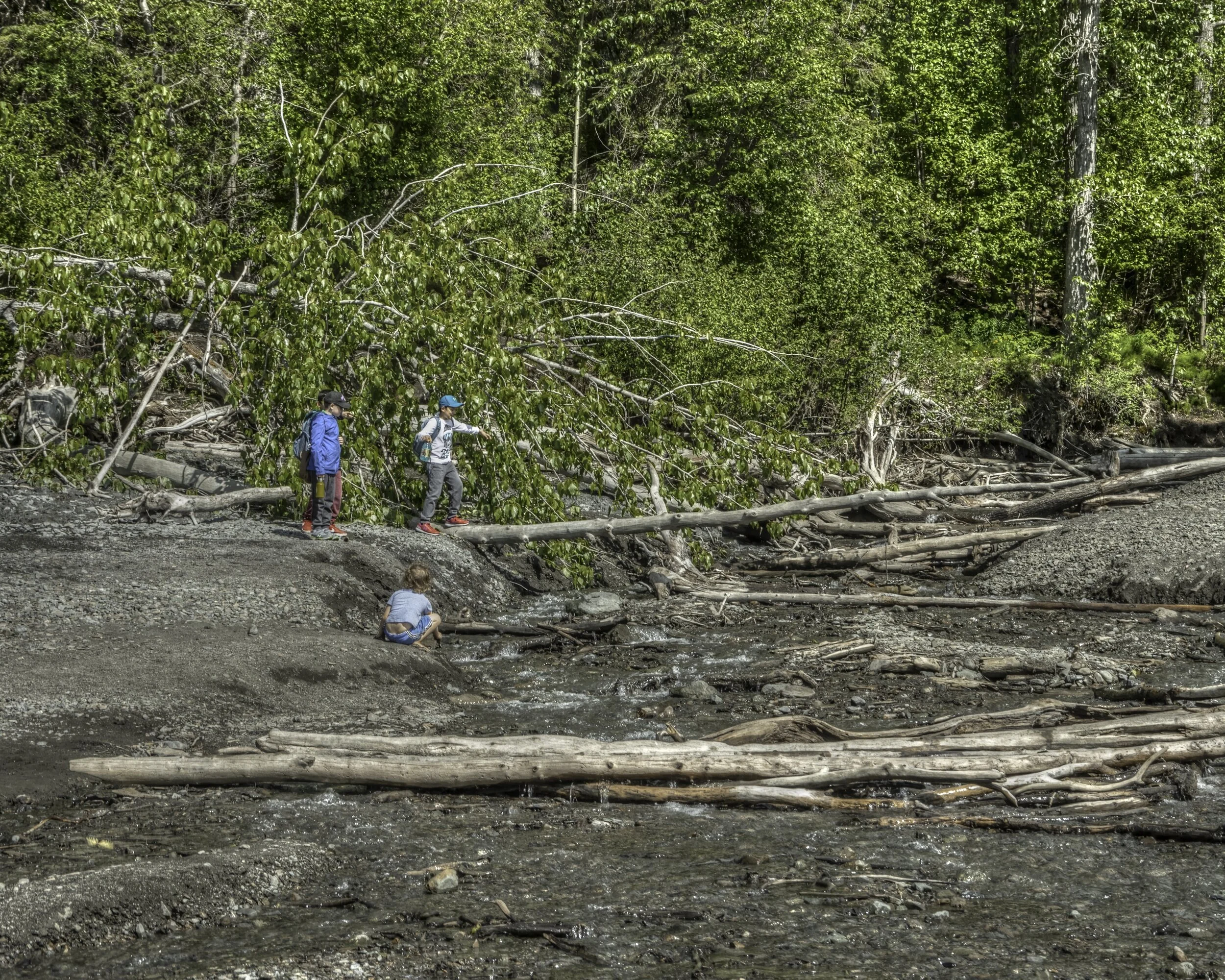
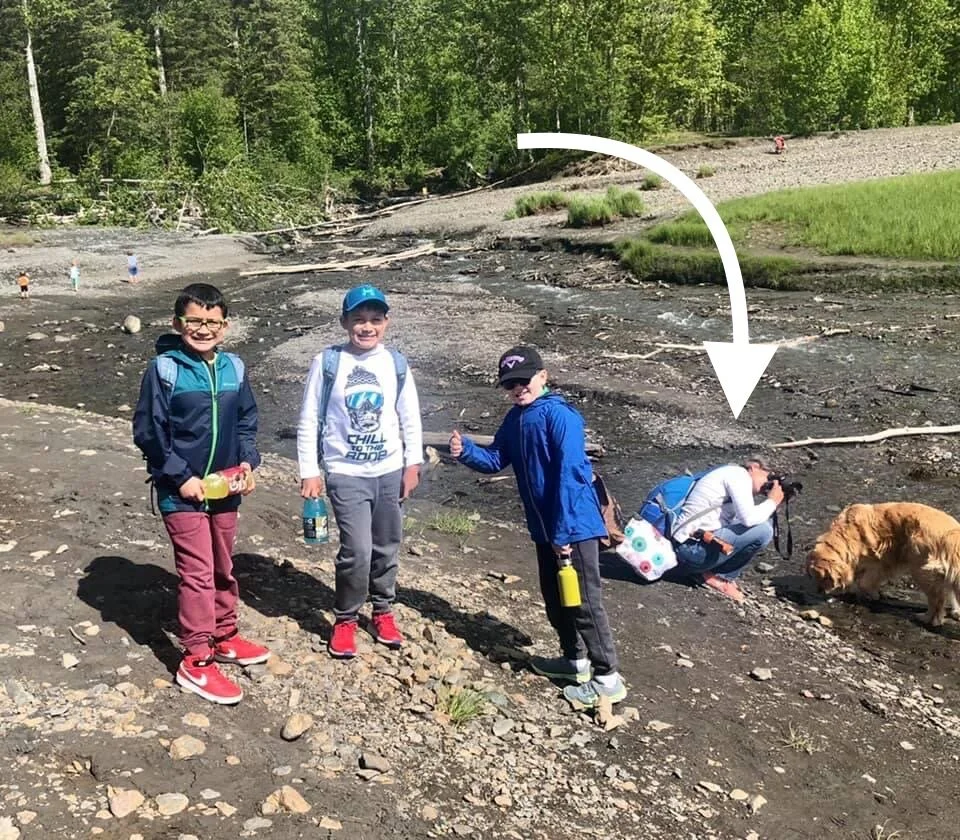
Giovanni checking the steadiness of the log they decided not to cross.
When they play at a distance during our hikes I see Giovanni slow John down and help him consider their direction. These little companions get further exploring new territory and forging new paths as they keep each other in check. We all need friends like this.
Aristotle asserts that friends help each other “do noble actions” and know how to think and act (Nicomachean Ethics VIII.1,1155a15-17, trans. Apostle & Gerson). As he explains, the best sorts of friendships form between virtuous individuals who are brought together through common interest, are well-disposed towards each other, and wish good for the other for the sake of the other. Aristotle centers friendship on an object of virtue that exist outside each of the persons. As such, differences between friends can better equip the individuals to move towards the good together.
I see this reality at play in my marriage as well. My husband, trained as an engineer, puts a great deal of deliberation into everything he does. We keep each other steady. He has helped me look forward to where I am going and walk with more intentional steps. After 12 years of marriage, his prudent words have helped shape me to habitually think through my actions with more examination and planning than is in my nature. I in turn help him to stop, pray, and see the beauty of where we are.
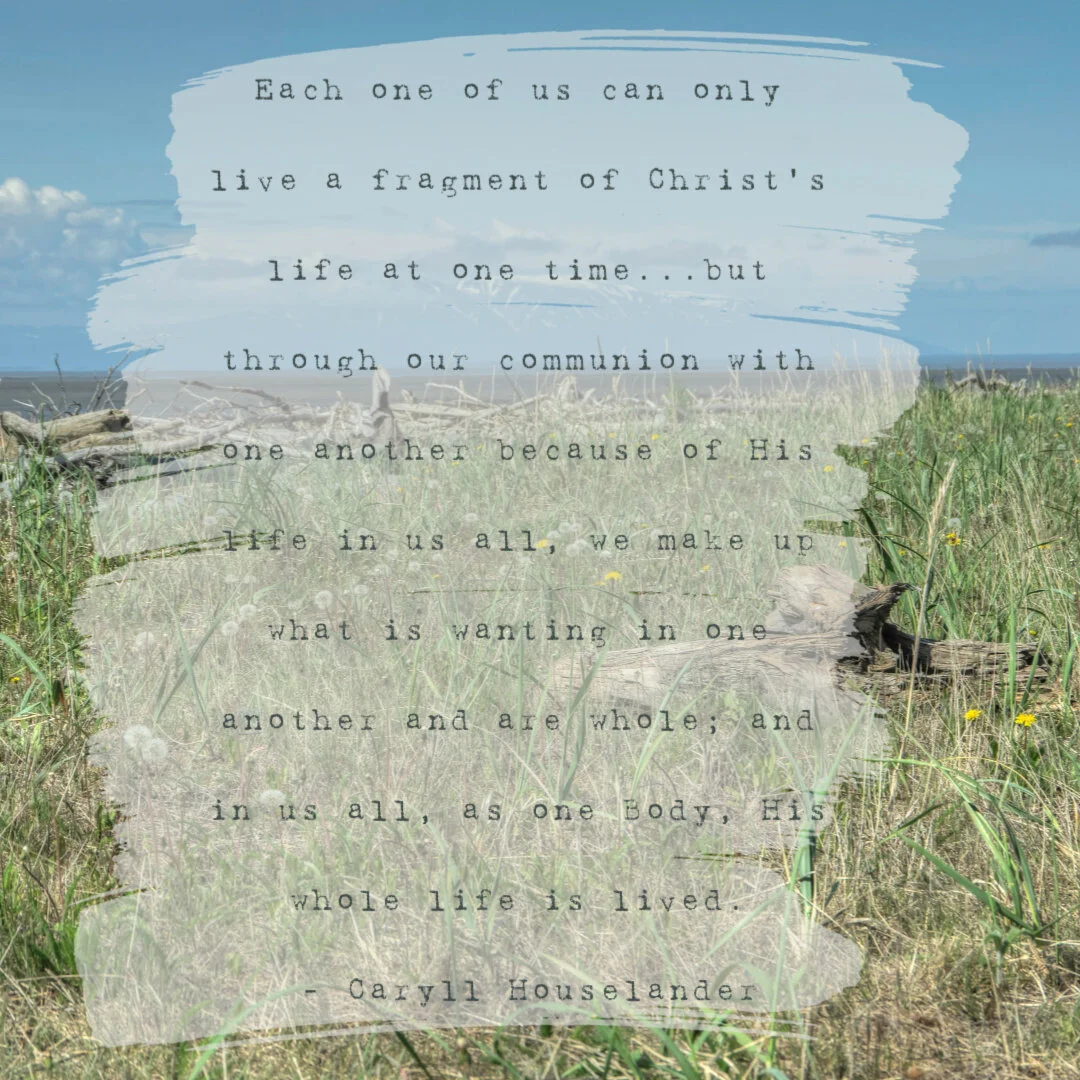
Caryll Houselander often reflects on this aspect of the mystical body of Christ in her work. As she explains,
Each on of us can only live a fragment of Christ’s life at one time…but through our communion with one another in Him, through our oneness with one another because of His one life in us all, we make up what is wanting in one another and are whole; and in us all, as one Body, His whole life is lived. (qtd. in Wright 26)
The world is marvelously shaped when different personalities and temperaments learn to work together, when the reactionary learn to listen to the prudent and when the cautious learn to listen to the trailblazers. Children often exhibit these traits in a beautifully raw form. There is a lot to rebuild in the world right now. I pray that God grants me the grace to learn from those who are approaching things differently and to walk with my brothers and sisters with the openhearted trusting steps, of a child.
Works Cited:
Wright, Wendy M., editor. Caryll Houselander: Essential Writings. Orbis Books, 2005.
Rivers and Roads
Sometimes I feel as though I am traveling through life on a river swept up in the current. This drift might be created by choices which led to circumstances or by unpredictable circumstances that removed choices. For me, it is easy to find Christ in these moments. In the midst of this surge he is my life raft. I hang onto Him as the river carries me where it will.
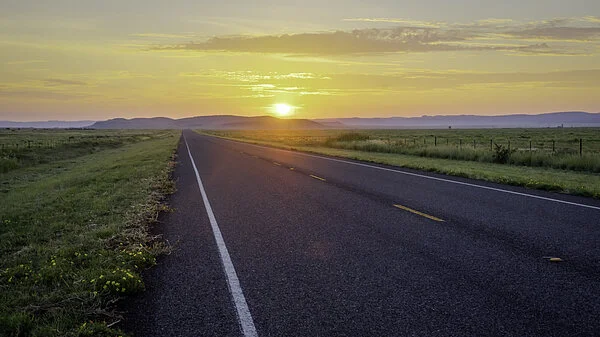
Other times, I feel the road firmly under my feet. Each step is one I must take with intention. This can be a harder way to travel. Here, I have control over my direction. I know that if I focus too much on a worldly destination I can easily take a wrong turn. I can put the goal in His place and slowly find myself forgetting to rely on His strength. In these seasons, I have found I must intentionally walk with the Lord, speaking to him with each step in each moment.
Lord, where do you need me right now?
Who needs me right now, and how can I help?
How can I keep close to you in this moment and in this task?
I see how you love him, how can I help him to see?
Lord, help me to keep my heart open to those you place before me. Help me listen. Help me understand.
This morning, while praying the joyful mysteries, I wondered how often Mary was asked questions she did not know how to answer. I wonder how she responded. I imagine that she carried on in peace, focused on the task at hand, letting some questions with unknown answers roll off of her. Her heart must have known the important questions that she needed to hold onto and carry to God. But Mary kept all these things, and pondered them in her heart (Luke 2:19). I hope that I can follow her lead and give to God the little uncertainties that I am not meant to understand, while leaning on him to discern what, in his Providence, he needs me to see.
Little Steps of Love
From some vantage points the world looks overwhelmingly chaotic. There is so much beyond our control. There are so many unknowns. There are moments when the largeness of this reality feels oppressively vast.
A small cluster of trees on the Flat Top trail.
Recently, while hiking a new trail on a now familiar mountain my son had an unexpected moment of panic. He looked over the edge across the unending expanse, and even though he had hiked much steeper trails, he was suddenly overcome with fear and brought to his knees. In an effort to calm him I drew his attention to the tiny ants crawling around us. He has always loved watching tiny things scramble about. We watched an ant traverse small rock and talked about how big the rock must seem to the ant. Soon he was able to focus on the trail again and forgot all about the immensity of the world within view.
A serene stop early on the Flat Top trail.
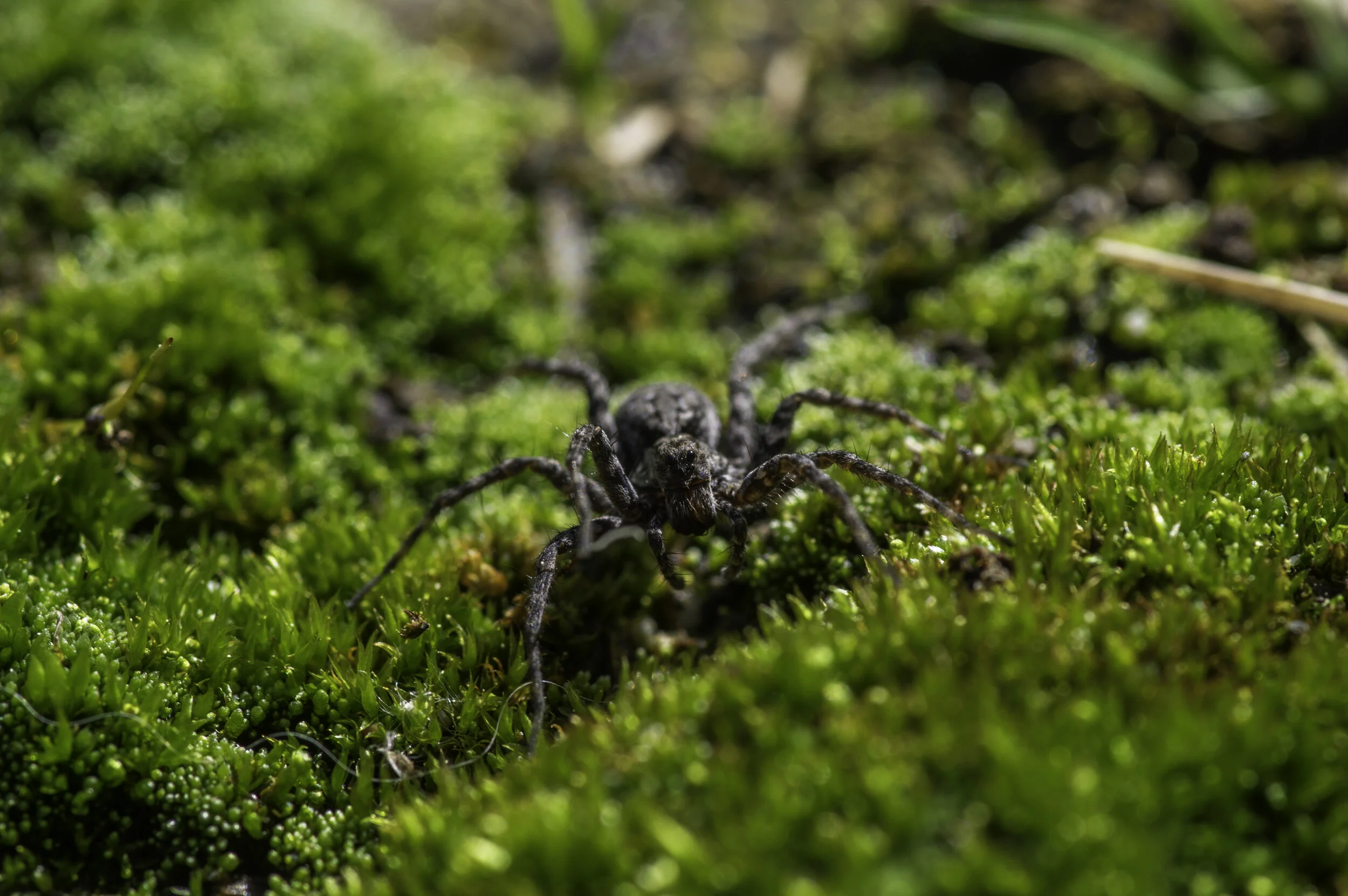
After our hike, we spent time admiring a smaller world within our own little patch of earth. We have a little forest by our house that supports so much interesting vegetation and life. We found a little wolf spider working his way across a patch of moss. We talked about how these tiny creatures help things grow around them simply by doing what they were created to do.
An Alaskan wolf spider found in our yard.
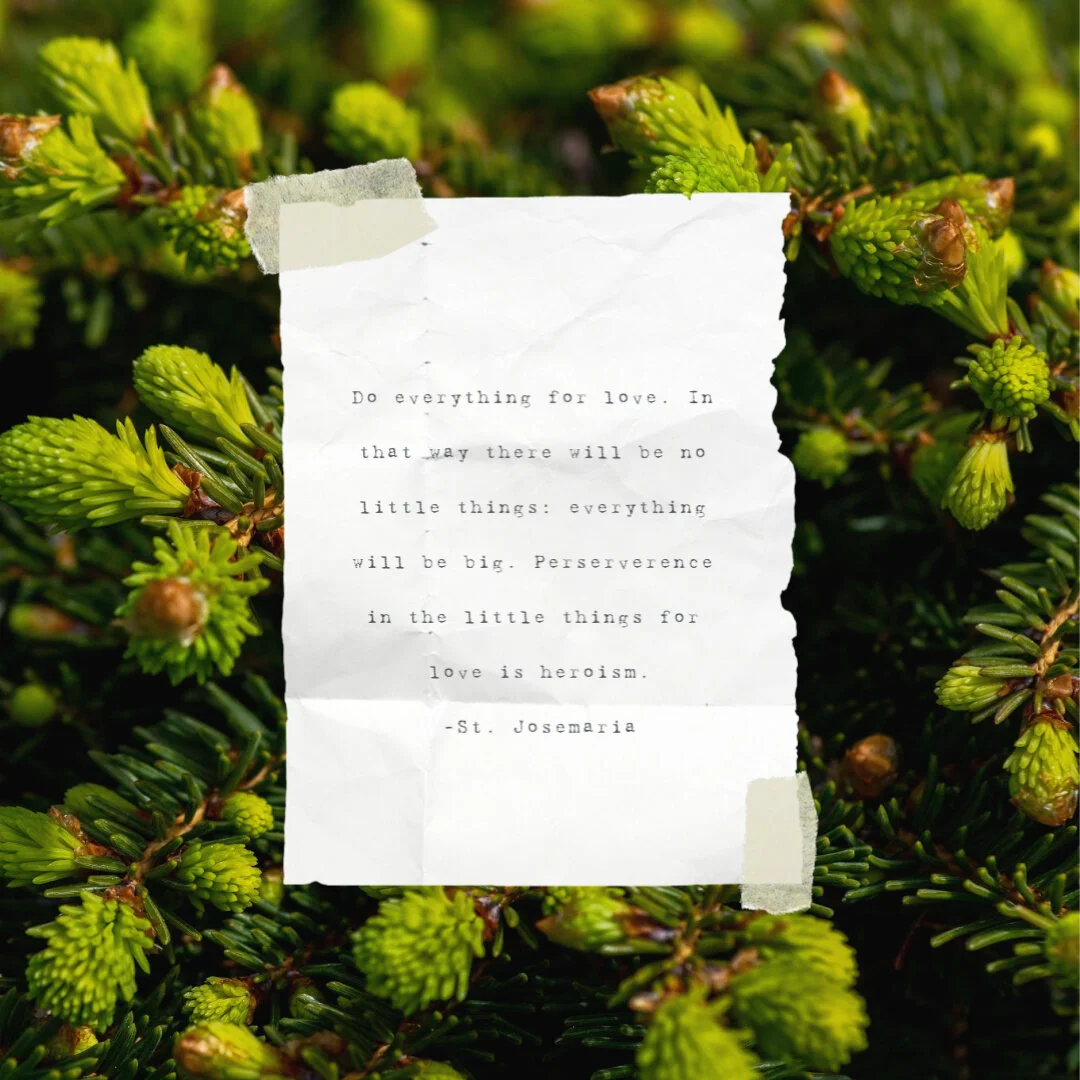
Humans were created to love. Things do not go well in the world when we do not do that well. In The Way, St. Josemaría says,
“Do everything for love. In that way there will be no little things: everything will be big. Perseverance in the little things for love is heroism.” (813)
Yes, the world can be chaotic and cruel. If we stare too long into this reality it will bring us to our knees. Perhaps this is well, for from this stance we can look upward towards our creator, ask pardon for our own sins and help to do better. Then, with eyes focused on the next step forward we can take that step in love knowing that doing what were created to do will make the world a little better.
The Call of Fear
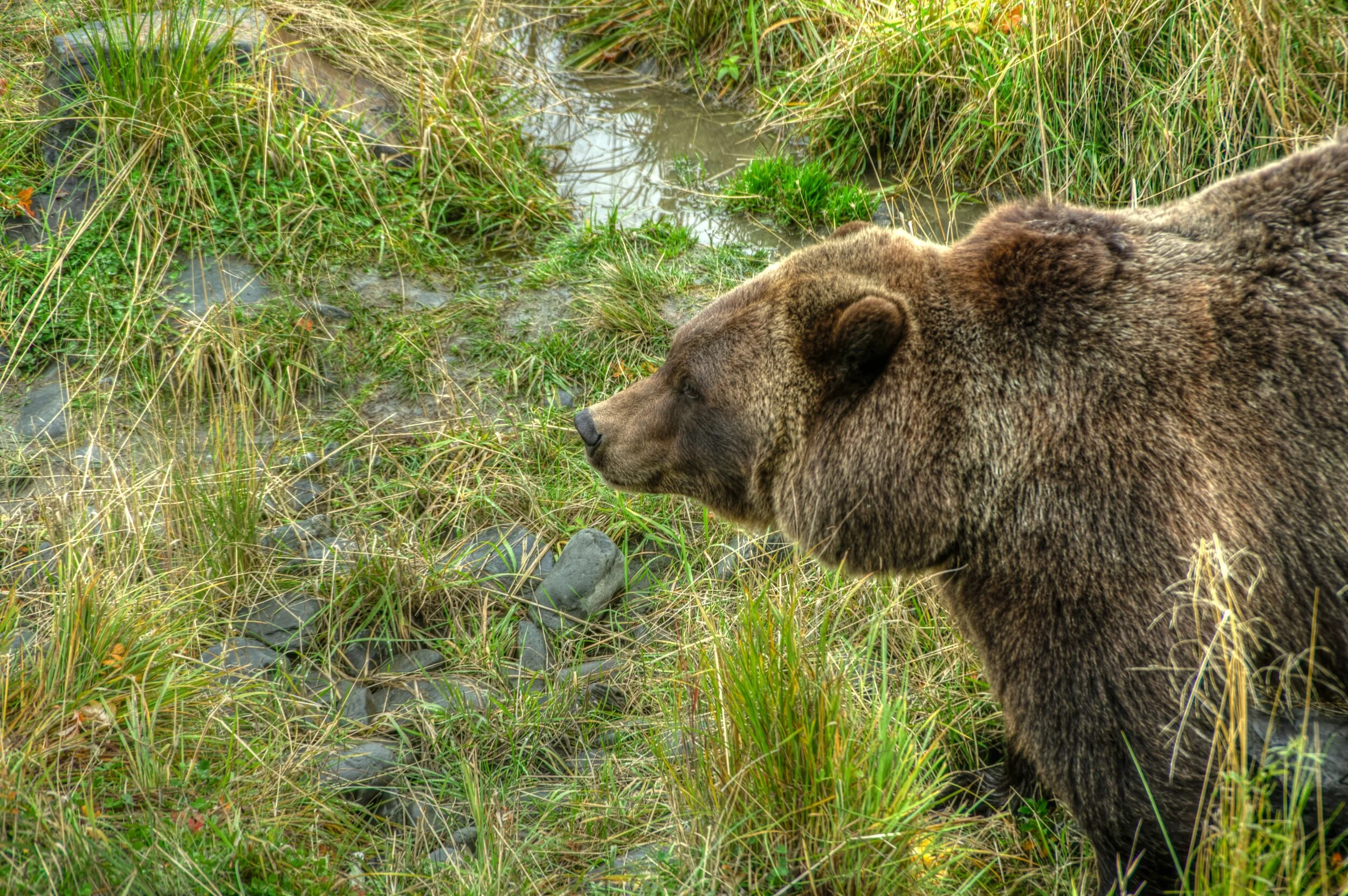
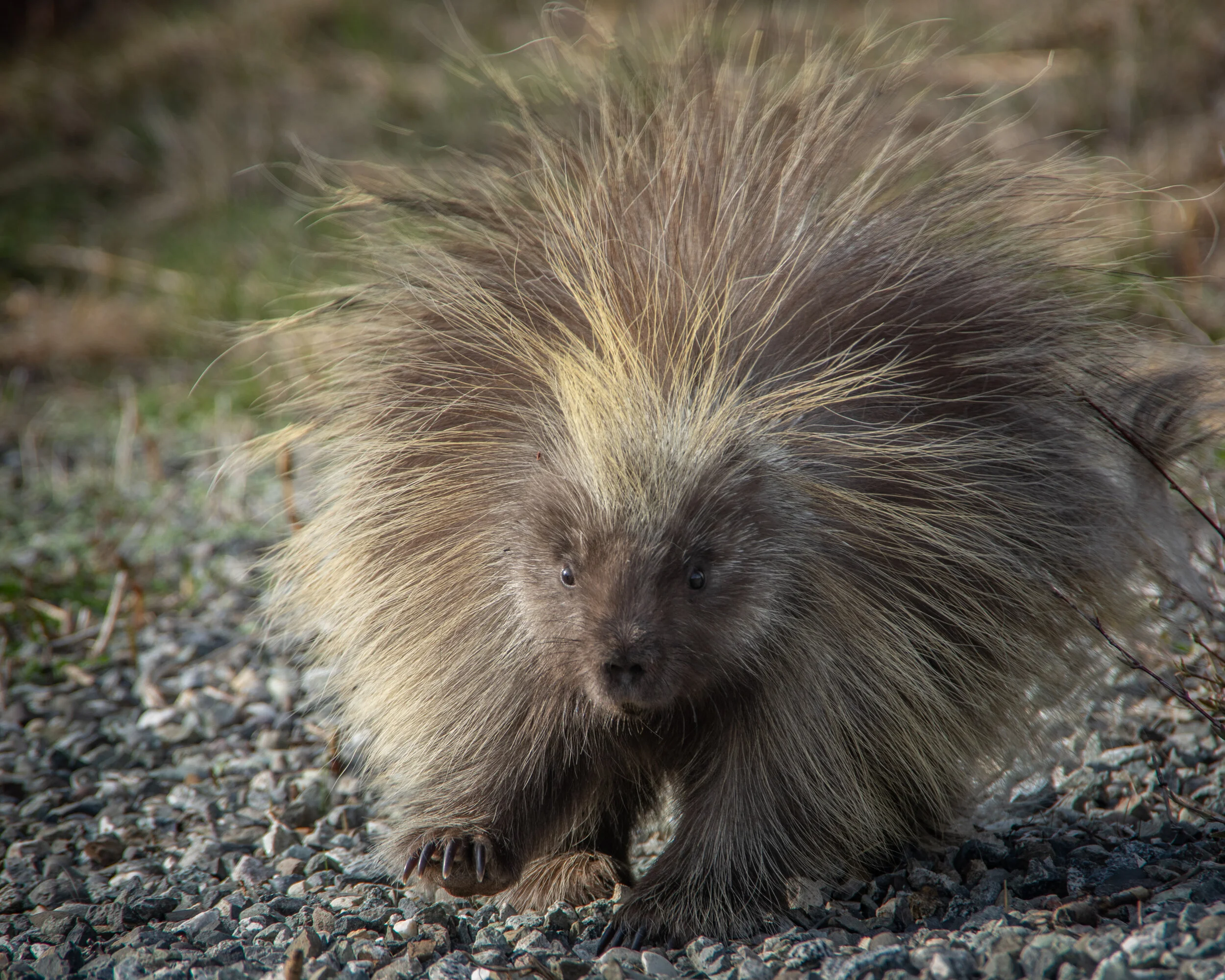
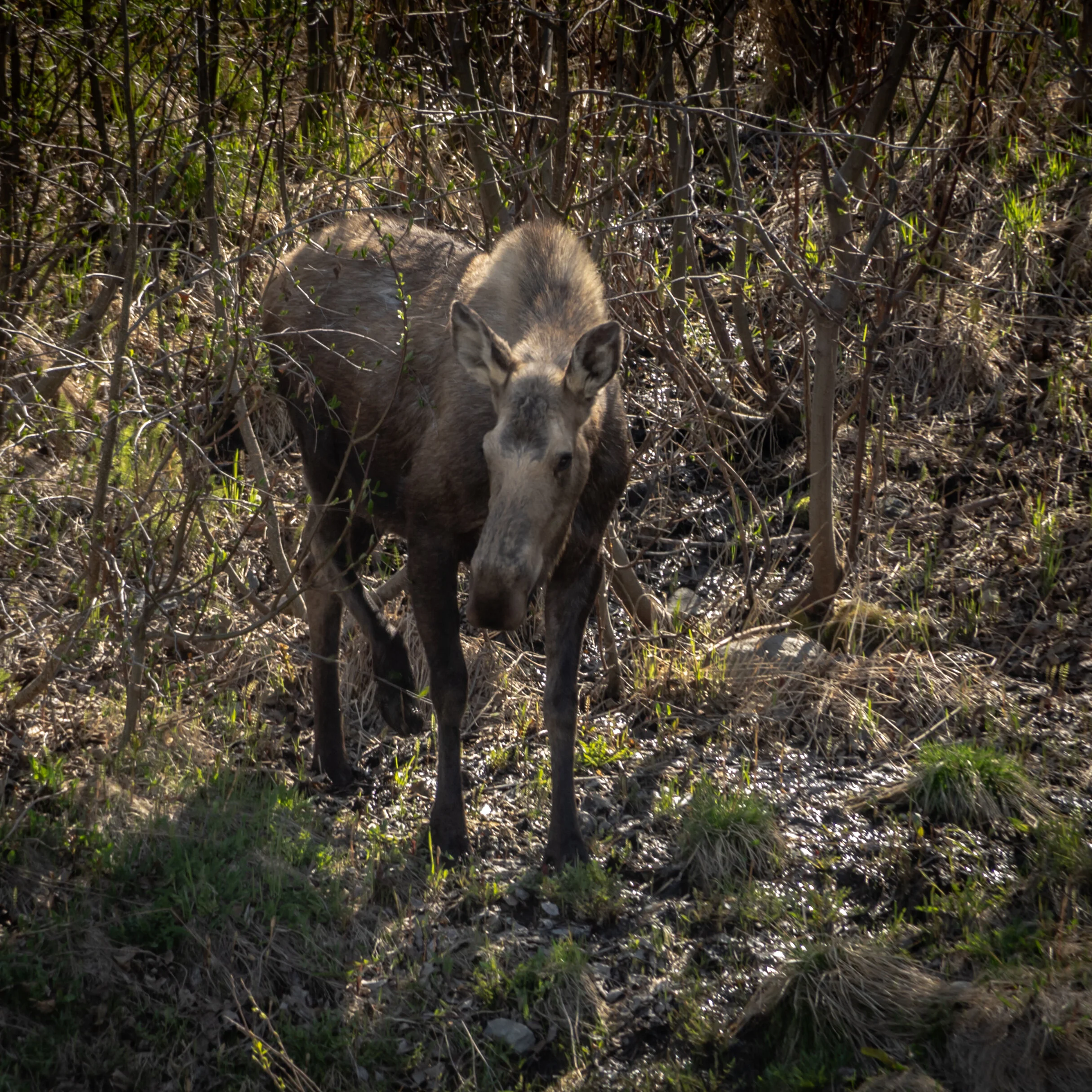
It is a delightful truth that in Alaska, at any moment, one might have their ordinary activity interrupted by a magnificent but deadly beast. Moose dart across our yard quite frequently. The spring is full of bear sightings. There is a porcupine that wanders out of the woods on occasion.
I encountered this bear safely at the Alaska Wildlife Conservation Center.
Our neighborhood porcupine.
Sometimes, as I walk to my car I think, “I could be trampled by a moose right now.” These thoughts do not keep me from going to my car or from enjoying a coffee on the front porch while my son frolics in the yard with his dog. We stay alert and move inside if see an animal. When we hike, we make noise and stick to the trails. On Mother’s Day, I was gifted with a bear gun to provide further protection for my frequent hikes. I took time to learn how to safely shoot and carry my new tool of defense. I am aware that the there are real threats lurking in the beautiful Alaskan wilderness. I have a great instinctual desire to protect my son, but I do not want him to be afraid of the world or to miss out on the adventures waiting beyond our doorstep.
Our neighborhood moose photographed from the safety of my deck.
The Alaskan wilderness presents grandiose examples of natures power and magnificence. One cannot look at the mountains or into the depths of the forest without being reminded of one’s frailty or mortality. The landscape draws a person out of their self and demands response. For this reason, Alaska continuously inspires writers and draws forth adventurers. Each choosing to respond in their own way. Reminders of mortality provoke differing expressions in different individuals. Or perhaps it is more true to say, it provokes differing responses in each individual at different times. It acts as a call to withdrawal; a call to fight; a call to protect; a call to indulge; a call to amend; a call to evasion; a call to discernment; a call to pray. In one of his poems St. John Paul II said “death is contradiction.” How will this contradiction move me today?
“Fear Which Is at the Beginning
Oh, how you are bound, place of my passage,
with the place of my birth.
God’s design rests on the face of passerby,
its depth following the course of ordinary days.
Sliding into death I unveil the awaiting, my eyes
fixed on one place, one resurrection.
Yet I close the lid of my body, and the certainty
of its decay I entrust to the earth.
You rise above it slowly, and level Your design
with the surface of each day,
and with the shadows of passersby in afternoon streets,
in the streets of our town at dusk.
You God, you alone
can retrieve our bodies from earth.
This is the last word of faith going
to meet the necessity of passing,
the word that answers the record
not contradictory to being (death is a contradiction),
the word most held in suspicion, uttered
despite everyday deaths,
despite this planet’s history, which became
our place of passage, the place of death,
generation after generation
Allow the mystery to work in me,
teach me to act within my body
suffused with weakness like a herald prophesying death,
like a cock crowing-
Allow the mystery to work in me, teach me to act in my soul
which intercepts my body-
the soul still has its fear for maturity, for acts-
shadows the human spirit carries forever-
and the depth in which it was submerged;
finally of the divine, that fear
which is not against hope.
”
Works Cited
John Paul II, “Fear Which Is at the Beginning".” The Place Within. Translated by Jerzy Peterkiewicz,
Random House, 1979, pp. 149-60.
Extraordinary Minster
May is here at last! I am particularly fond of this month. Spring opens up the landscape. There is a feeling of revival and renewal in the air. Nature begins to call us out of ourselves igniting hearts. As spring fever sets in, many of us direct our loving gaze towards our mother, Mary.
Mary has guided me through more than a few storms. When I was young my Dad taught me to pray the rosary when I was afraid. Over the years, what began as a practice of therapeutic rote recitation evolved in into something more prayerful. I learned to to open myself up to the mysteries of the rosary. The mysteries helped me see Christ’s life more clearly and drew me closer to Him. For many years this was my favorite way to spend time with the Lord.
Eventually, through the guidance of friends and mentors I started spending more time with the Lord in Scripture. I continued my daily rosary, but added some time reflecting on scripture. The Word often brings clarity, consolation, and direction when I need it. The Word has strengthened my friendship with Christ and others in the Christian community. My strongest friendships have been forged over the fire of scripture.
Each of these practices takes some effort and intentionality on my part. However, Christ has been with me in another very real way over the years. In today’s reading, Jesus says:
Amen, amen, I say to you, unless you eat the Flesh of the Son of Man and drink his Blood, you do not have life within you. Whoever eats my Flesh and drinks my Blood has eternal life, and I will raise him on the last day. For my Flesh is true food, and my Blood is true drink. Whoever eats my Flesh and drinks my Blood remains in me and I in him. Just as the living Father sent me and I have life because of the Father, so also the one who feeds on me will have life because of me. This is the bread that came down from heaven. Unlike your ancestors who ate and still died, whoever eats this bread will live forever (John 6:52-59).
What a strange thing to say. It must have been shocking to his hearers. Yet, as Christ founded his Church he left us a means to do this very thing. He left us a means to consume Him and allow Him to work within us in an extraordinary way. Ironically, the most visible means we have for encountering Christ works within us in the most mysterious non-visible manner. As my faith has grown so has my love for the Eucharist.
Recently, the laity has had to rely on other means to walk with and stay close to Christ, but soon this sacrament will be restored to us. As I spend time praying with Mary this month, I ask her to bring us all back to her son. Mary, help me prepare to receive your Son with a pure and humble heart. Help renew my faith and invigorate my hope in His power to heal and strengthen every part of us all.
Our Lady of Grace at St. Patrick’s in Anchorage, AK
Extraordinary Minister
An Ode to the Eucharist
Now I was the cupbearer to the King
I watch them come one by one
As ripples of sound fill my ears
He is dressed in dust
Hands dignified by work
She shakes with age
Eyes of wisdom
He stumbles with worry
Unsteady steps walk in trust
She juggles the gifts of life
Heart of grace
Slowly I pass each
Drops of eternity
Witnessing His Love in every note
His mind to mend every crack
Patient Desire honoring each gate
O Divinity surge
Compose emend I plead
Transmutable scale that I am
But that is not the way of Eternity
Unconstrained by measure
Persistently waiting assent
Wonderous Love dripping down as Beyond
Love that feels sorrow pain joy peace
Love that creates rebuilds lingers echoes
I ask you my Lord to engulf me
In your eternal utterance
My particles find unity
For though they are many in you One
Creator of Light and Firmament
Keeper of Beyond mend our chambers
Renew us little drops of eternity
Entirely our own
Entirely Yours
Marks of harmony
Breaking Free from the Panopticon: Thoughts on Foucault
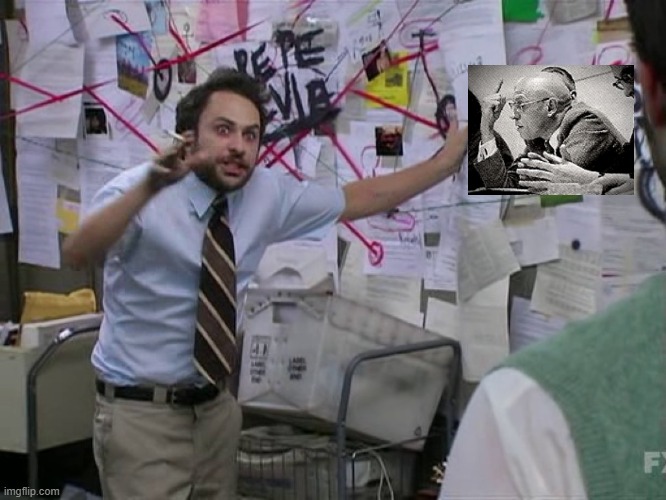
I have been thinking about Foucault a lot lately because … [gestures broadly at world]
As a philosopher Foucault gave voice to a general uneasiness that many may feel when confronted with large scale utilitarian plans. At times it can be helpful to stare into and acknowledged this uneasiness. While, from my perspective, Foucault did not really give us any real solutions to that angst, he did succeed in putting into words the dangers of overly obtrusive and controlling measures aimed at ensuring the public good. However, awareness of those dangers should not lead us into despair. There is hope. There is a way to confront these challenges and allow them to move us towards freeing beauty and truth.
For those of you not familiar with his work, Foucault uses a quarantine analogy to analyze the many restrictions, inconveniences, and invasions of privacy one would undergo in order to prevent the spread of a threat. Even before the pandemic, there was an eerie truth to much of what he says. Foucault describes the power of an un-manned machine. The aim of this power is to “strengthen social forces – to increase production, to develop the economy, spread education, raise the level of public morality; to increase and multiply” (172). Individuals are directed towards the aim of the power in question through an “infinitely minute web of panoptic techniques” (183). The individual is controlled by an uncertain awareness that they might be observed without ever having the certainty that they are in fact being observed. This creates what Foucault describes as an “indefinite discipline: an interrogation without end” (186). Yes, when I talk about Foucault it feels a bit like this…
The mechanisms are designed to increase the utility of the individual using flexible and invisible methods of control. The individual eventually adopts a role within the panoptic machine. The roles of power are taken by interchangeable individual persons. It is the role that holds power not the person. The person assuming the role becomes the “principle of his own subjections” by defining himself by the role (168). This is a natural tendency.
Foucault evokes an unsettling feeling, because so much of what he says can be seen at play within various institutions. The machines of power described by Foucault are all guided by utilitarian aims. As such, man is valued based on utility. As Foucault suggests, “the disciplines function increasingly as techniques for making useful individuals” (174). Pope St. John Paul II was deeply aware of this tendency to utilize individuals. In one of his encyclical letters he states:
“If no one acknowledges transcendent truth, then the force of power takes over, and each person tends to make full use of the means at his disposal in order to impose his own interests or his own opinion, with no regard for the rights of others. People are then respected only to the extent that they can be exploited for selfish ends. Thus, the root of modern totalitarianism is to be found in the denial of the transcendent dignity of the human person, who as the visible image of God, is therefore by his very nature the subject of rights which no one may violate. (66)”
Thus, the only way out of the Panopticon is to avoid defining oneself or others by their role or any other utilitarian standard. One must continuously seek to see the inherent, transcendent, dignity of each person acting as a person possessing dignity and their own will. A Christian is freed by transcendent truth and knowledge of God. One who seeks to align their actions with this freeing truth is saved from the madness of attempting to please an interchangeable unmanned machine.
Blissful freedom.
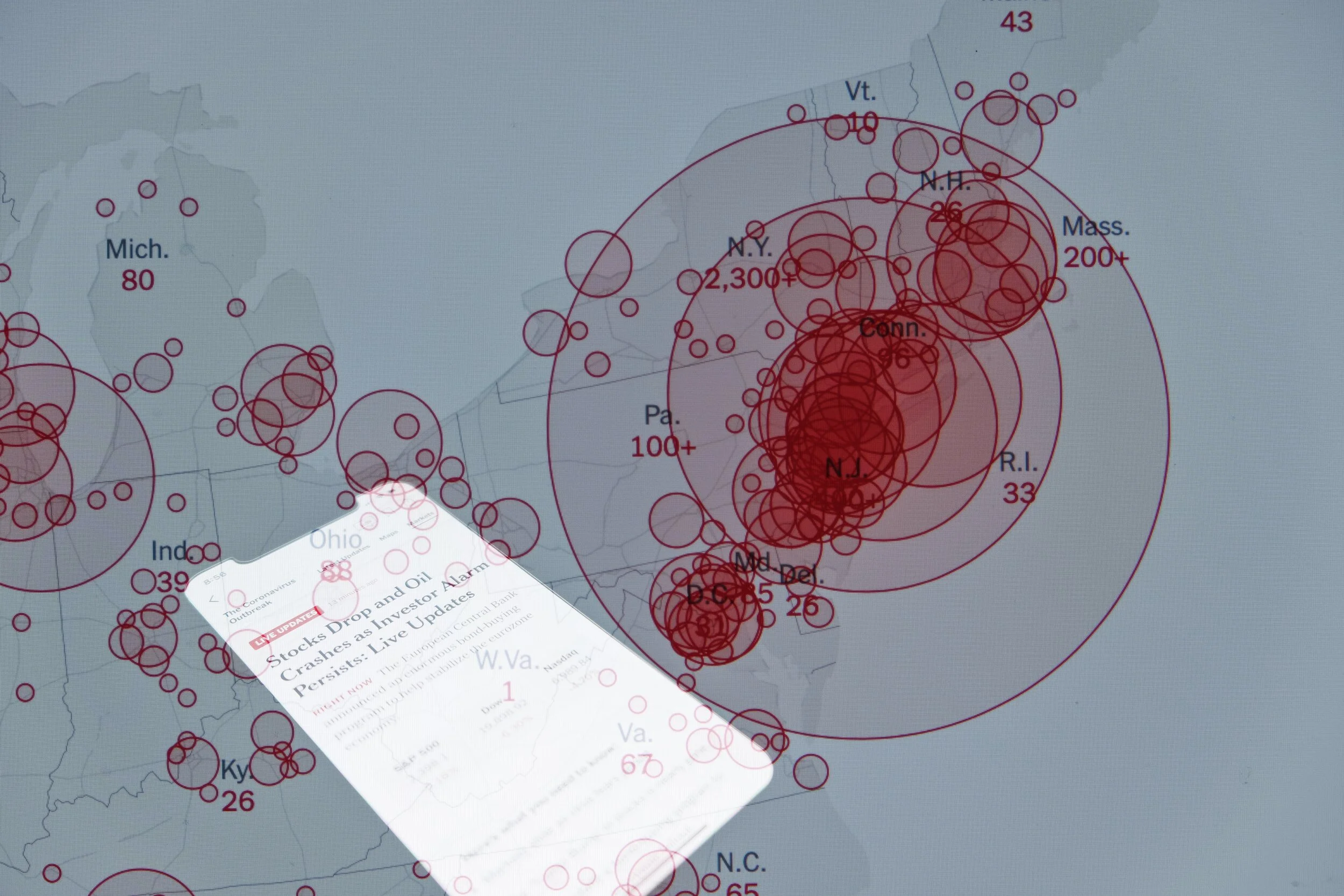
This freedom is perhaps even more apparent and relevant now. Under the current crises many have been tossed from or had to redefine their role in society. People are losing jobs. Existing jobs are transforming. Educational institutions were forcibly reshaped overnight. Society has been tossed suddenly into a new state. Yes, there is a lot of suffering right now. There is a lot of need that needs to be addressed. However, there is also good in this change. There is more time for family. People are looking for and sharing creative outlets. People are freely offering up what they can to support others in need. As a society we are celebrating people who work hard to support the infrastructures we all rely on.
Our collective gaze has been forced out of the drudgery of the every day. The question is where to direct it now? There are many attempting to direct that gaze down a path of fear. I do not know what is to come in the next few months, when these social isolation measures will end, or what will be of the economy when we get to the other side. I do know that Jesus is a tangible reality in my life; God is with us. That reality will continue no matter what shifts around us and that, my friends, is the way out of the Panopticon. Any other thing that might attract our gaze at this moment is transitory and will not hold the stability needed. In looking to and for Christ, we learn how to live. We learn what to love. We learn what to let go of. Most importantly, we experience love. Love beyond humanly defined roles, achievements, or accumulation. All-encompassing love based on who each of us was created to be.
Works Cited
Foucault, Michel. “Panopticism.” McLaughlin, Becky and Bob Coleman. Everyday Theory: A Contemporary Reader, edited by Becky McLaughlin and Bob Coleman. Pearson, 2005. pp. 163-186.
John Paul II. Encyclical Letter “Centesimus Annus” (Hundredth Year): Of the Supreme Pontiff John Paul II, On the Anniversary of Rerum Novarum. Pauline Books & Media, 1991.
When Spring Feels like Winter: Hidden Trails and Tiny Potatoes
I woke up to a fresh heavy coat of snow. It is funny how snow affects my spirits differently in the spring. I do not think I admire its beauty as much when it has covered the ground for months. Instead, I find myself looking for little signs of spring. I look for glimpses of grass and the shine of puddles. I listen for birds and the trickling of water. I have an idea in my head of when spring should begin, but the world does not always agree.
On our almost spring days my son and I have started taking walks. I thought with our extra time we could walk to the park about a mile from our house. My son had a different path in mind. On the way to the park a hidden side street caught his eye. Where I saw a random turn, he saw sure adventure. His curiosity was rewarded. We found birds and little streams. He made up stories about each mysterious drive we passed. He now wants to explore this road every time we go out and each day he succeeds in finding or creating a new adventure on this little strip of pavement.
As Lent ought to end soon, I took some time this morning to reflect on the intentions I held as I moved into this season. I was hoping to give more time to my family and grow in detachment. God sorted that first one for me pretty decidedly. Growth in detachment, however, was given as a choice. Everyday I must decide whether or not to practice this virtue. I have found that when I chose detachment my day flows smoother, my heart is open to better love my family, and my vision is clearer so that I can drink in the good things present in this extended winter.
I do not always succeed. Sometimes I hold on too tightly to a routine that I create for myself. Family life is full of interruptions. My son’s mind is always creating and questioning. When I try to closely guard my plans, I sometimes miss opportunities to chase down one of these paths of inquiry or create something new. Although my husband is working from home, his day is full of weighty decisions and expectations. When I am too focused on my designs for the day, I sometimes miss random opportunities to connect when he comes up for air. When I look for perfection I sometimes miss the goodness right in front of my eyes.
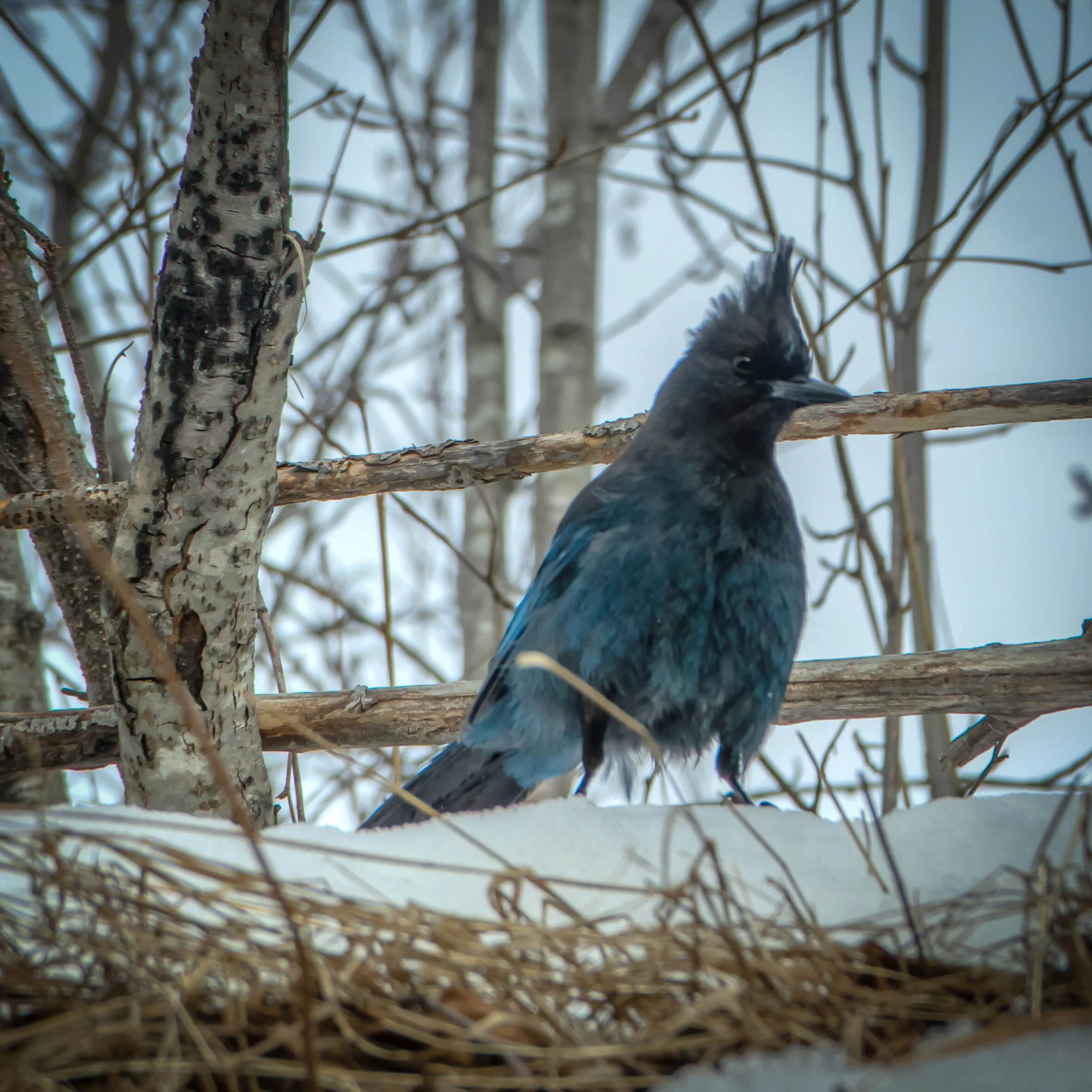
When my arms are open and my grasp is loose I can embrace what God has planted in my day. When I choose detachment I see little unexpected paths that lead to gratitude. A dear friend of mine hunkering down in the Midwest recently shared her excitement over finding tiny potatoes at Cosco. If you have been to Cosco recently you might understand her reaction. As we visited, she reflected on that grace this season has brought. It seems all our eyes are a bit more open to the joy found within these little discoveries. Now each day when we visit we tell each other what our tiny potatoes were for that day. I have noticed that my tiny potatoes are not found on my agenda, rather they are found in the midst of the more unexpected moments of each day. Yesterday, I watched a Steller’s jay preparing to nest. I wonder what tiny potato today will bring?
The Steller’s jay that nests along our little road.
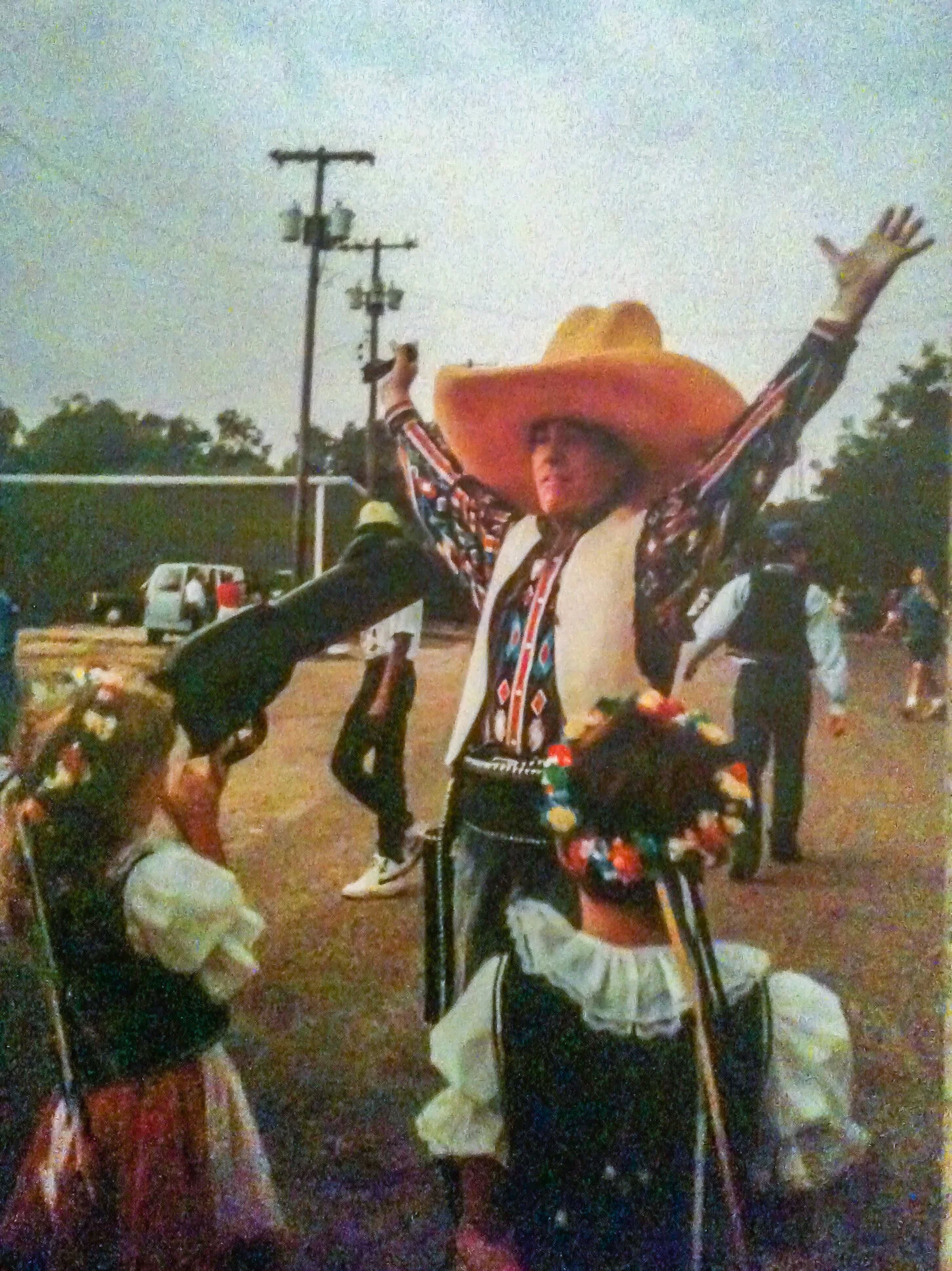
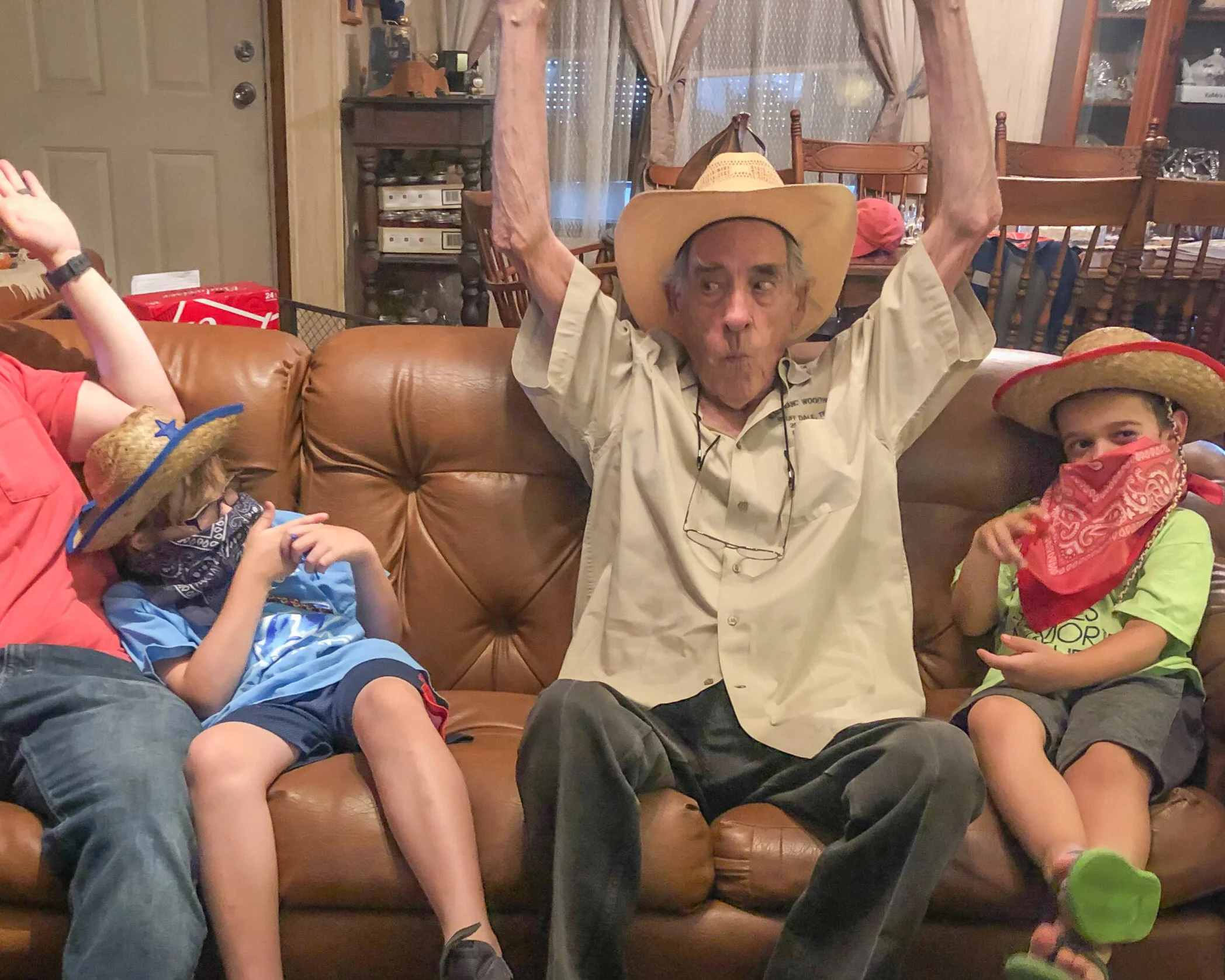
Words for my Family: In Memory of my Uncle the Cowboy
Yesterday, while my son and I explored the wide open spaces nestled under the Alaskan mountains my uncle passed away. My adventurous heart is grateful for the chance to soak in these spaces, but another part of me sometimes feels the space a different way. During times of crises and loss it can be hard to sit so far from home.
As I cannot return to pay my respects in person, I thought I would honor him with the words turning in my heart.
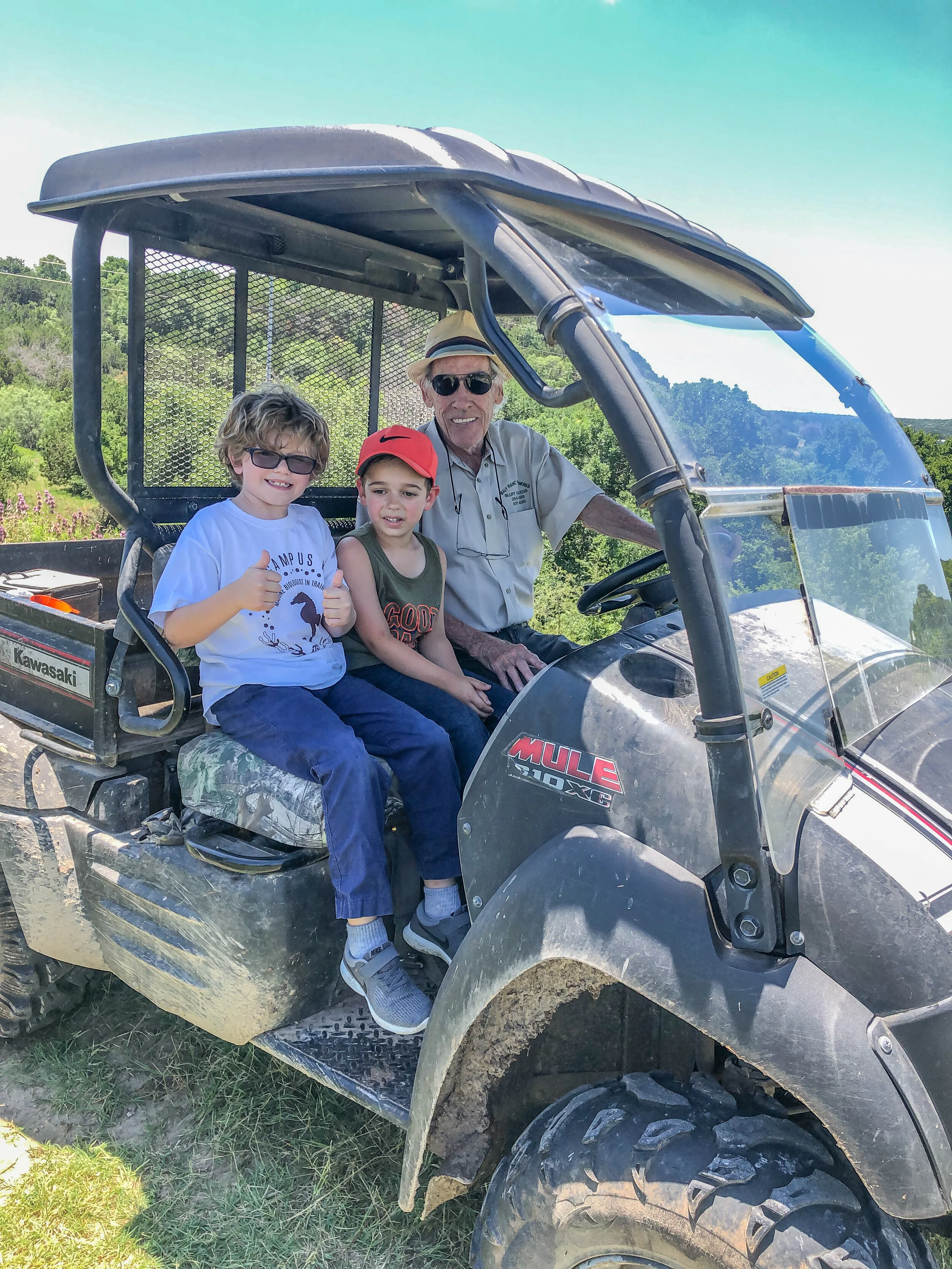
My sister and I with Uncle Tommy
Our sons with Uncle Tommy
My Uncle the Cowboy
I know not everyone is blessed enough to have a true cowboy for an uncle, but I was.
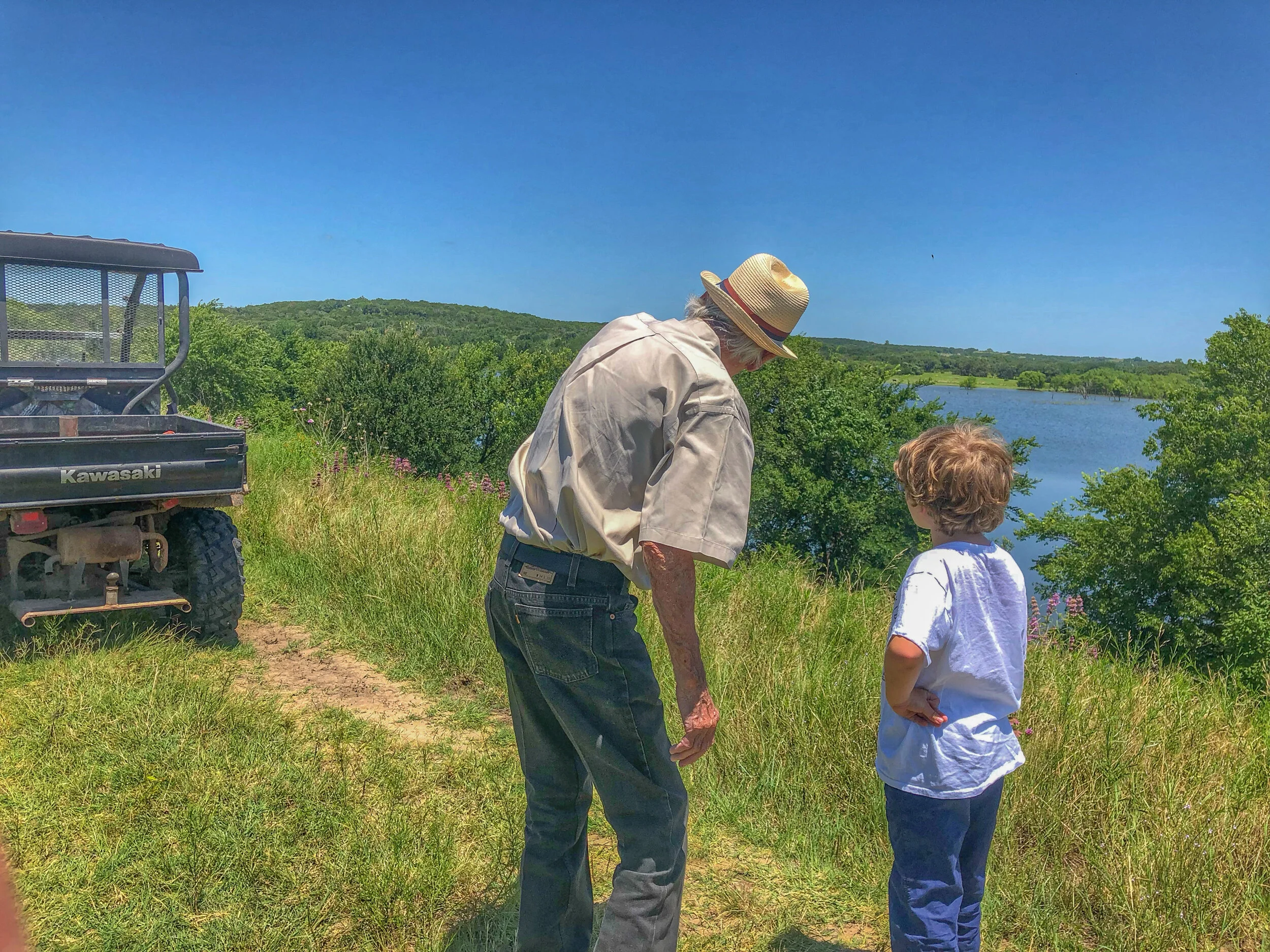
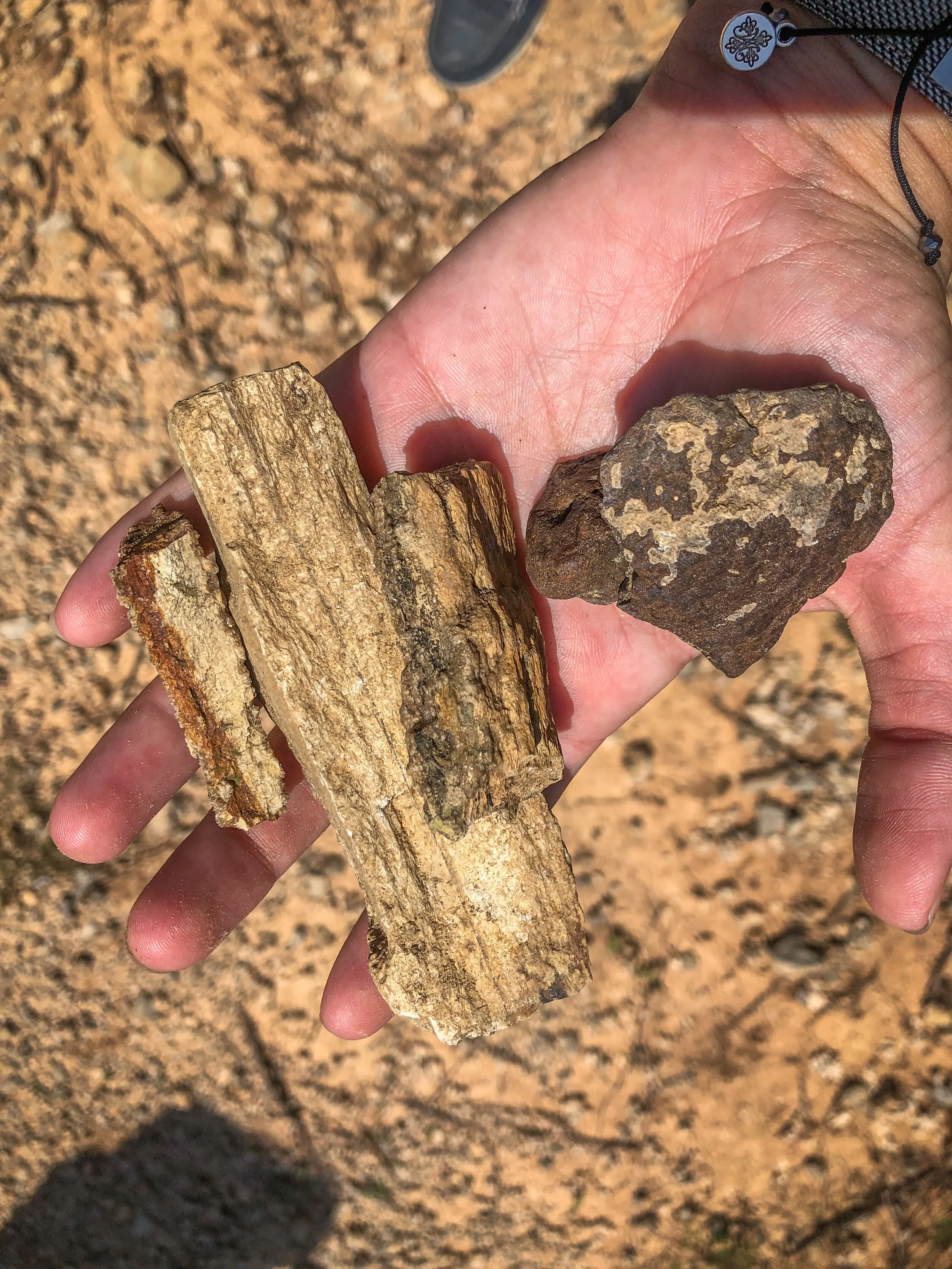
There is a lot a person can learn from an uncle such as this. My Uncle Tommy always had a story in his back pocket. He could entertain a crowd with an easy smile. When we visited his ranch, he made it our playground. As we collected rocks, he gave us a tale for every one. We fed the cattle and learned about the land. He knew all the daring feats that had been accomplished or attempted at each ridge. He knew the history of every corner and every dip.
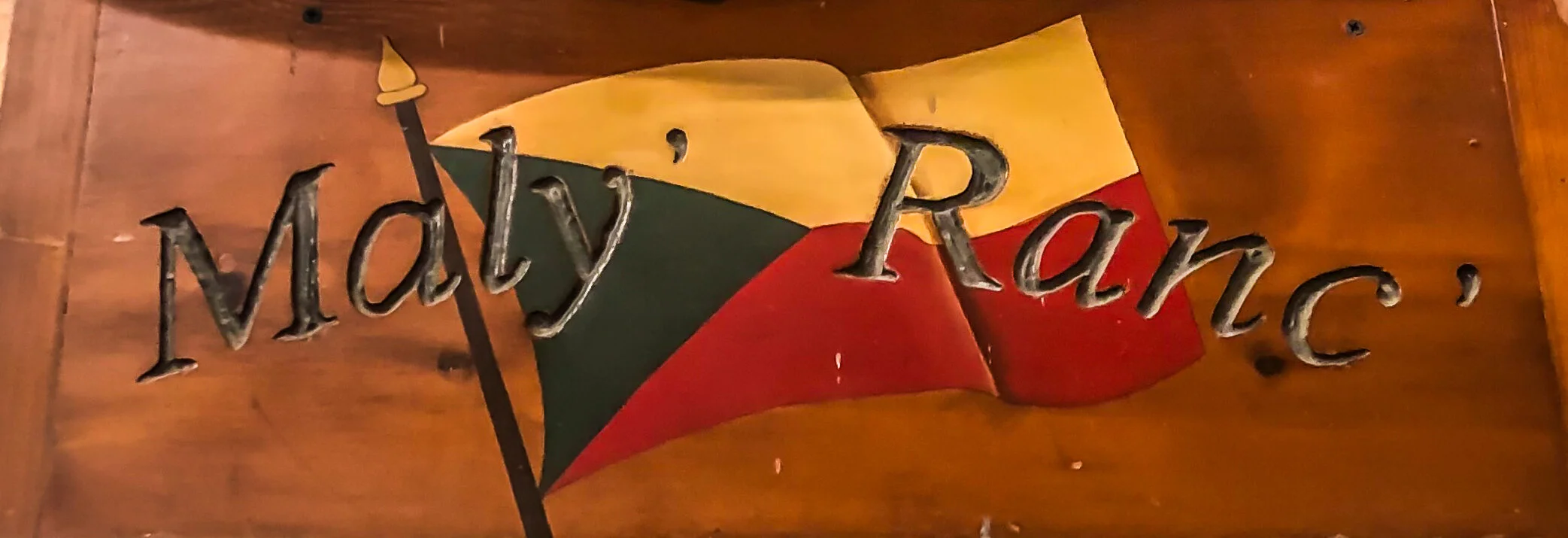
He gave the Malý Ranč a strong-willed compassionate mother. For her he named the oasis in their acreage. Together, they cared for their kin, which included anyone who entered their gates. Together, they entertained folks at the shores of dammed-up waters, around campfires and at card tables.
His humble wisdom peaked out in his quick wit. Such knowledge tends to linger longer as will his memory, for true cowboys never really die. They live on in the stories told by all who walked their land. Their thread enters into the yarn of tales spun by those who do not fear the dirt. While their hands can no longer shape that rough terrain they sowed with sweat and tears, their spirit continues to shape the hearts of all who draw near.
I know not everyone is blessed enough to have a cowboy for an uncle, but thanks to God I was.
Living Water
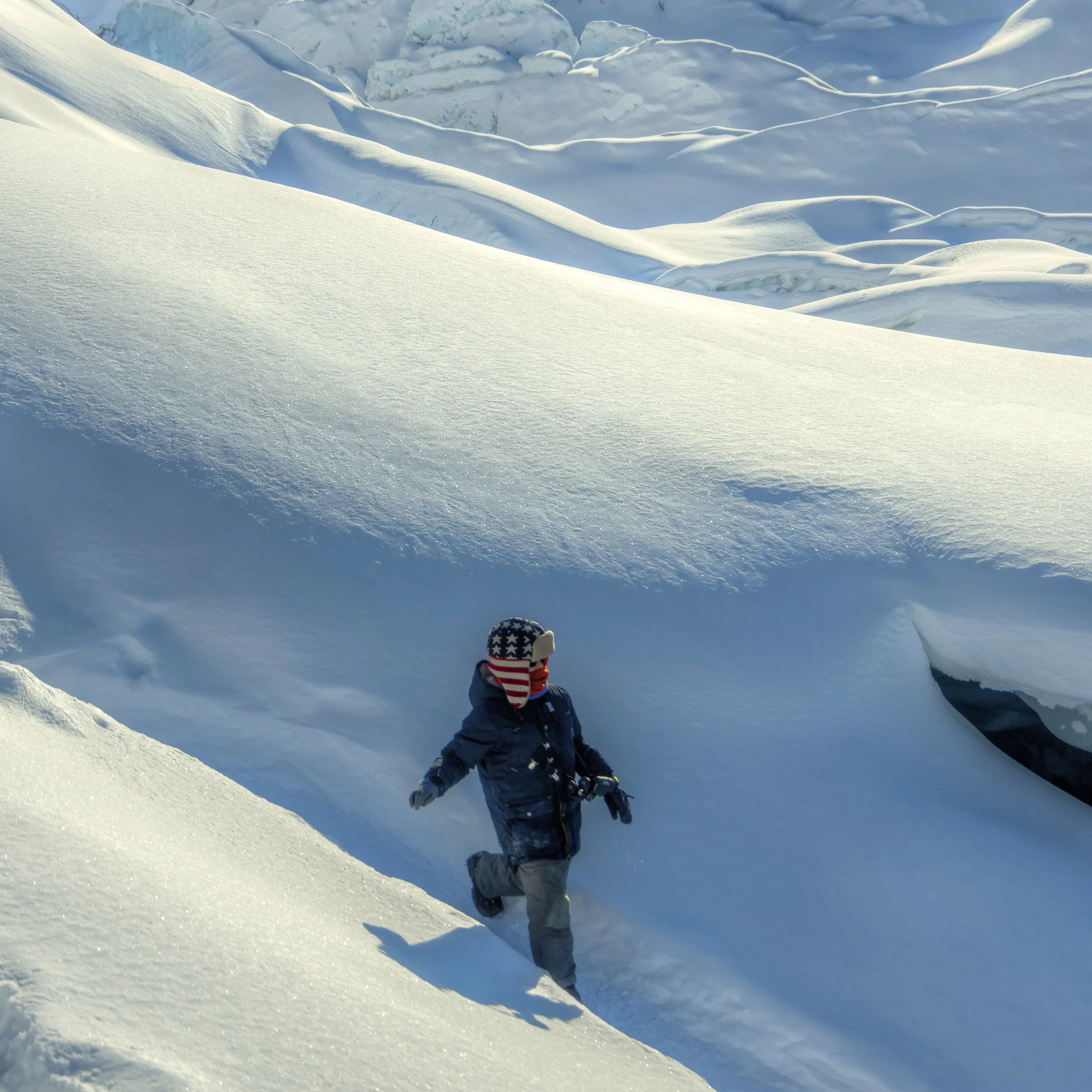
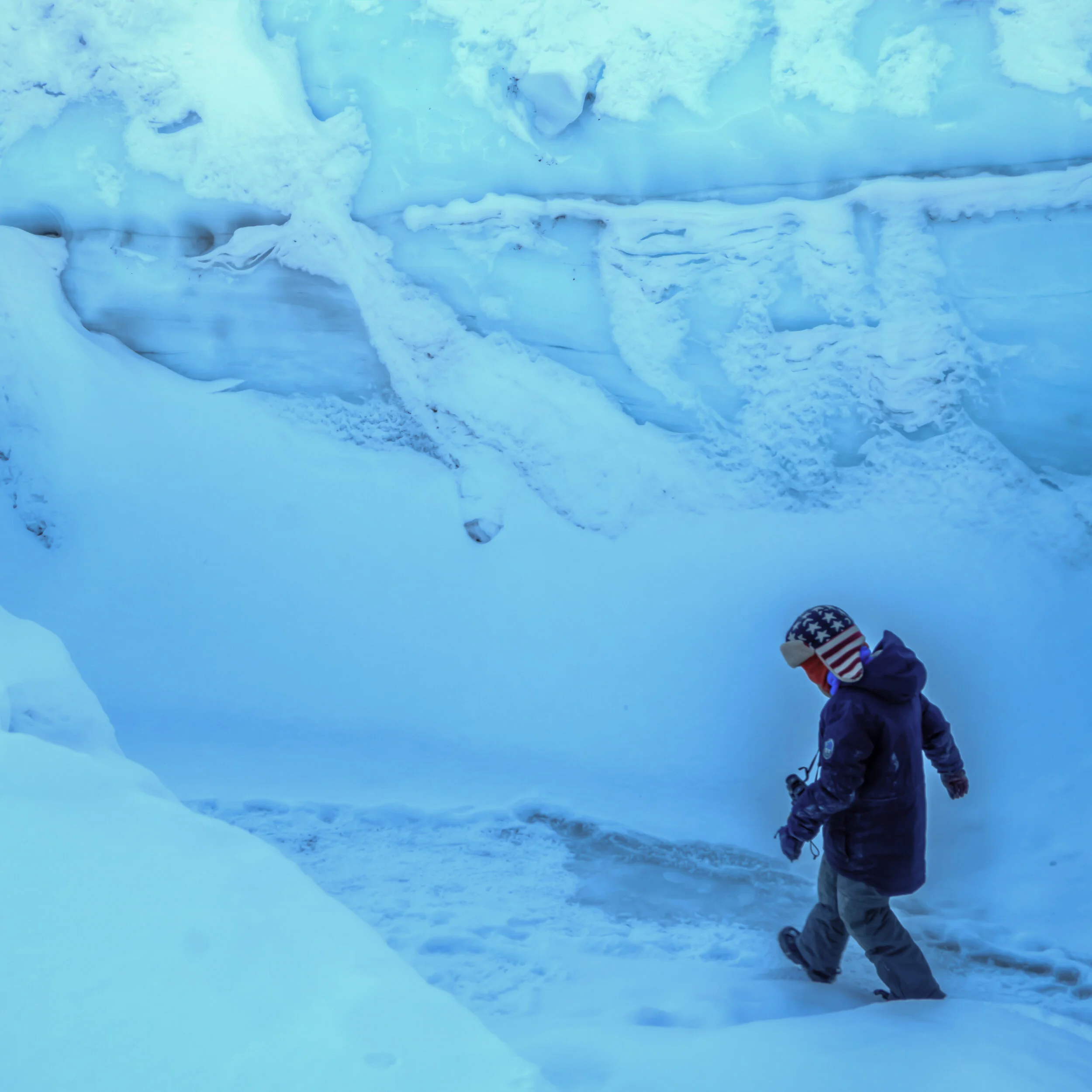
This past Thursday I visited the Matanuska Glacier with my family. The glacier is fully alive. You can hear its movement and life. Our tour guide wound us around chasms and in and out of the beautiful ever-changing sculptures.
A view of the pressure ridges created by the glacier.
My son carefully walking into one of the crevasses.
A sculpture created by running water through one of the glacier caves.
Nature’s power was fully on display. That power can be awe inspiring and fear provoking. There are spaces on this earth that awaken an unshakable awareness of the beyond. Mountains and glaciers certainly demonstrate this beauty. They inspire the greatest of poets. After viewing the glaciers at Mont Blanc, Coleridge wrote:
Ye ice-falls! ye that from the mountain’s brow
Adown enormous ravines slope amain-
Torrents, methinks, that heard a mighty voice,
And stopped at once amid their maddest plunge!
Motionless torrents! silent cataracts!
Who made you glorious as the gates of Heaven!
Beneath the keen full moon? Who bade the sun
Clothe you with rainbows? Who, with living flowers
Of loveliest blue, spread garlands at your feet?-
God! let the torrents, like a shout to the nations,
Answer! and let the ice-plains echo, God!
God! sing ye meadow-streams with gladsome voice!
Ye pine-groves, with your soft and soul-like sounds!
And they too have a voice, yon piles of snow,
And in their perilous fall shall thunder, God! (49-63)
This sort of performance by nature not only reminds us of God’s power but also of our smallness and vulnerability. It is natural to ask, how can a being who created all this care about a creature as small as me? It is natural to feel swept away by the largeness and complexity of nature.
And yet, as Christians we believe that God knows our heart. We believe that this same powerful God came to meet us face to face in Christ. This Sunday, those following the Catholic liturgy will read of water. We read of Moses bringing water to the people through a rock. “And he called the name of the place Massah and Meribah”; “proof” and “contention” (Ex. 17:7). This is a strange pairing of words, but perhaps fitting the natural human reaction to the power of God. How many bear witness to grandeur of creation that is beyond accident and yet allow themselves to be unmoved? Is it for fear rooted in pride or blindness rooted in fear? Turning ones eye to that omnipotent source requires acknowledging ones smallness. Perhaps it is this awareness many try to avoid.
Christ draws us out of this place of fear. The psalms remind us, “harden not your hearts, as at Meribah on the day at Massah in the wilderness” (PS. 95:8). The Word asks us to go even further than acknowledging a grand creator. We must acknowledge that He became man. What is more we must acknowledge he knows our heart.
In the gospel Christ encounters a woman. He speaks of living water. He tells her, “whoever drinks of the water that I shall give him will never thirst; the water that I shall give him will become in him a spring of water welling up to eternal life” (John 4:14). He then tells the Samaritan woman all that she had done. There is a reason this passage is visited again and again. It reminds us that the same God that carved the glorious glacial caverns knows our hearts. That each person is significant. Each person is capable of a life we cannot see, a life transformed by Christ, a life eternal.
The world is a bit scary right now. The infrastructure we have built for security is being stretched. There are understandable groans of fear all around. And yet, there is living water here too. I lift my eyes to the mountains and see God there. I turn my mind to his Word and know God there. And where God is, His son is. Where Christ is, fear leaves. Where Christ is, love and peace reign.
Thou too again, stupendous Mountain! thou
That as I raise my head, awhile bowed low
In adoration, upward from thy base
Slow travelling with dim eyes suffused with tears,
Solemnly seemest, like a vapoury cloud,
To rise before me-Rise, O ever rise,
Rise like a cloud of incense, from the Earth!
Thou kingly Spirit throned among the hills,
Thou dread ambassador from Earth to Heaven,
Great hierarch! tell thou the silent sky,
And tell the stars, and tell yon rising sun,
Earth, with her thousand voices, praises God. (Coleridge, 74-85)
Work Cited
Coleridge, S. T. “Hymn: Before Sun-Rise, In the Vale of Chamouni.” The Oxford Authors Samuel Taylor
Coleridge: A Critical Edition of the Major Works edited by H. J. Jackson, Oxford University Press, 1985, pp. 119-120.
Disney Thoughts Revisited: Confronting Imagination, Ingenuity & Vulnerability
I have been meaning to write something new, however, these quiet winter mornings have instead created opportunities to revisit familiar views from new vantage points. Photographers are well aware of how the perception of familiar terrain can dramatically shift when viewed through a different angle or enhanced by a new dispersal of light.
“Dispersed Reflection”
I wrote a piece some time ago and shared on a temporary blog that I had used to gather and share thoughts. For some reason this piece keeps coming to mind. Perhaps, it is because I have returned to a more metropolitan area. There is so much beauty here but there is also a lot of work to be done. There are individuals pushed to the margins; there are individuals in need of healing. Interspersed with these needs there are hopeful avenues of progress. However, progress requires the dispersal of Christ’s light; His Love. In the essay that keeps coming to mind, I wrote:
“Our strength lies in the fact that we are created in the image and likeness of God. This drives us to create, curate, and communicate. But the value of the human person is intrinsic to their very existence and is especially present in the vulnerable. This is a truth that needs to be spoken aloud again and again. This is good. Vulnerability is good. It is a part of our humanity. Fragility necessitates community.
Stories that present a dystopian future always invoke the flourishing of one group of people at the expense of another or at the expense of what makes us human. Often, in these imagined futures man becomes less man and more machine. I suppose this is what we fear in the visionary that is not tempered by pragmatism. Historically, this seems to be a common tendency of man.
What is to be done? I believe we can try to do better. We can be visionary and pragmatic, by seeking to truly see others. We can practice the beauty of humanity by speaking to others, and we can practice charity by speaking for the good of others who share the vulnerability of our humanity to such a degree that they cannot speak for themselves. Ultimately, we can let ourselves be led by a Divine King who embraced and offered up the frailty of our humanity. His love, Christ’s love, is capable of reaching and healing all. His love is that which must be shared through each of us.”
The full essay can be found here. I suppose I am taking my own advise and speaking this truth aloud again. These words have been spoken by many and heard by many. Progress has been made, however, we are not yet living in the Kingdom of God, and so I will speak these words again and hope they shine light on a truth sometimes forgotten.